Buy media-engineering.eu ?
We are moving the project
media-engineering.eu .
Are you interested in purchasing the domain
media-engineering.eu ?
domain@kv-gmbh.de · 0541-91531010
Buy media-engineering.eu ?
Why won't the Media panel open in InDesign?
The Media panel in InDesign may not open due to several reasons. It could be that the panel is not enabled in the workspace layout you are using. You can try going to the Window menu and selecting Media to see if it opens. Another reason could be that there is a software glitch or issue that is preventing the panel from opening properly. In this case, restarting the program or updating it to the latest version may help resolve the issue. **
What is the grid spacing for rats?
The grid spacing for rats is typically around 1 inch by 1 inch. This spacing is important for ensuring that rats cannot escape from their enclosures and for providing a secure and stable surface for them to walk on. The grid spacing also allows for proper ventilation and waste drainage in the rat's living environment. **

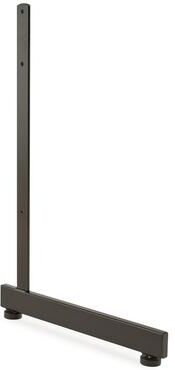
Similar search terms for Econoco-Grid-Panel-for
Top-Angebote
Products related to Econoco-Grid-Panel-for:
-
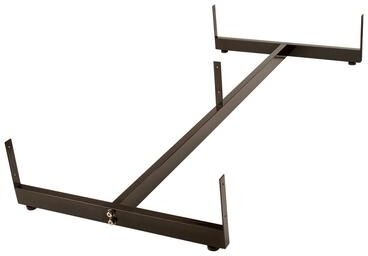
Econoco Commercial Grid Panel, 2' x 7', White (Pack of 3)Grid panels are the most versatile cost-effective display available to all types of retailers. Can be used on the wall, on the ceiling or free-standing on the floor singly or connected to other panels, allowing for unlimited display possibilities.159,83 $*Shipping: 0,00 $Secure redirect to the provider
-
Econoco Chrome Grid Panel for Retail Display or Home Storage, 2' x 7' - 3 Grid Panels Per CartonCreate a solid retail display with this chrome grid panel by Econoco. The versatility of this grid panel makes it easy to use on the wall or with a base.196,99 $*Shipping: 0,00 $Secure redirect to the provider


-
How can one learn to become an electronics technician for industrial engineering or automation technology?
To become an electronics technician for industrial engineering or automation technology, one can start by pursuing a relevant educational program, such as an associate degree in electronics engineering technology or industrial automation. These programs typically cover topics such as electrical circuits, industrial control systems, and automation technologies. Additionally, gaining hands-on experience through internships or apprenticeships with companies in the industrial engineering or automation field can provide valuable practical skills. Seeking professional certifications, such as those offered by organizations like the International Society of Automation (ISA) or the Electronics Technicians Association (ETA), can also demonstrate expertise and knowledge in the field. Finally, staying updated with the latest advancements in industrial engineering and automation technology through continuous learning and professional development is essential for a successful career in this field. **
-
How are electronics technicians trained for automation technology?
Electronics technicians are trained for automation technology through a combination of formal education and on-the-job training. They typically complete a post-secondary program in electronics or a related field, where they learn about electrical circuits, digital electronics, and control systems. Additionally, they receive specialized training in automation technology, which includes learning about programmable logic controllers (PLCs), industrial robotics, and process control systems. This training may also involve hands-on experience with automation equipment and systems in a lab or industrial setting. Overall, electronics technicians are trained to understand and troubleshoot the complex systems used in automation technology. **
-
Is the electronics technician for automation technology difficult?
Becoming an electronics technician for automation technology can be challenging, as it requires a strong understanding of electrical systems, programming, and automation technology. The field is constantly evolving, so technicians must stay updated on the latest advancements and technologies. However, with dedication and the right training, individuals can develop the skills and knowledge needed to succeed in this role. It may be difficult at times, but the opportunities for growth and the potential to work on cutting-edge technology make it a rewarding career choice for those passionate about automation. **
-
How does one switch from an electronics technician for industrial engineering to an electronics technician for automation technology?
To switch from being an electronics technician for industrial engineering to automation technology, one can start by gaining knowledge and skills specific to automation technology through courses, workshops, or certifications. It is important to familiarize oneself with automation systems, PLC programming, robotics, and other relevant technologies. Networking with professionals in the automation industry and seeking opportunities for hands-on experience in automation projects can also be beneficial. Updating one's resume and highlighting any relevant experience or skills related to automation technology will help in transitioning to a new role as an electronics technician for automation technology. **
How can one switch from an electronics technician for industrial engineering to an electronics technician for automation technology?
To switch from being an electronics technician for industrial engineering to automation technology, one can start by gaining knowledge and skills specific to automation technology through courses or training programs. It is important to familiarize oneself with automation systems, PLC programming, and control systems. Additionally, gaining hands-on experience in automation technology through internships or on-the-job training can be beneficial. Networking with professionals in the automation technology field and seeking mentorship can also help in making a successful transition. **
What is the difference between an electronics technician for industrial engineering and an electronics technician for automation technology?
An electronics technician for industrial engineering typically focuses on maintaining and repairing electronic systems used in various industries, such as manufacturing plants or power plants. They are responsible for ensuring that electronic equipment operates efficiently and safely within an industrial setting. On the other hand, an electronics technician for automation technology specializes in designing, installing, and maintaining automated systems that control machinery and processes. They work with programmable logic controllers (PLCs) and other advanced technologies to optimize production processes and increase efficiency in industrial automation. **
Top-Angebote
Products related to Econoco-Grid-Panel-for:
-
Econoco Commercial Grid Panel, 2' x 7', White (Pack of 3)Grid panels are the most versatile cost-effective display available to all types of retailers. Can be used on the wall, on the ceiling or free-standing on the floor singly or connected to other panels, allowing for unlimited display possibilities.159,83 $*Shipping: 0,00 $Secure redirect to the provider
-
Why won't the Media panel open in InDesign?
The Media panel in InDesign may not open due to several reasons. It could be that the panel is not enabled in the workspace layout you are using. You can try going to the Window menu and selecting Media to see if it opens. Another reason could be that there is a software glitch or issue that is preventing the panel from opening properly. In this case, restarting the program or updating it to the latest version may help resolve the issue. **
-
What is the grid spacing for rats?
The grid spacing for rats is typically around 1 inch by 1 inch. This spacing is important for ensuring that rats cannot escape from their enclosures and for providing a secure and stable surface for them to walk on. The grid spacing also allows for proper ventilation and waste drainage in the rat's living environment. **
-
How can one learn to become an electronics technician for industrial engineering or automation technology?
To become an electronics technician for industrial engineering or automation technology, one can start by pursuing a relevant educational program, such as an associate degree in electronics engineering technology or industrial automation. These programs typically cover topics such as electrical circuits, industrial control systems, and automation technologies. Additionally, gaining hands-on experience through internships or apprenticeships with companies in the industrial engineering or automation field can provide valuable practical skills. Seeking professional certifications, such as those offered by organizations like the International Society of Automation (ISA) or the Electronics Technicians Association (ETA), can also demonstrate expertise and knowledge in the field. Finally, staying updated with the latest advancements in industrial engineering and automation technology through continuous learning and professional development is essential for a successful career in this field. **
-
How are electronics technicians trained for automation technology?
Electronics technicians are trained for automation technology through a combination of formal education and on-the-job training. They typically complete a post-secondary program in electronics or a related field, where they learn about electrical circuits, digital electronics, and control systems. Additionally, they receive specialized training in automation technology, which includes learning about programmable logic controllers (PLCs), industrial robotics, and process control systems. This training may also involve hands-on experience with automation equipment and systems in a lab or industrial setting. Overall, electronics technicians are trained to understand and troubleshoot the complex systems used in automation technology. **
Similar search terms for Econoco-Grid-Panel-for
-
Econoco Chrome Grid Panel for Retail Display or Home Storage, 2' x 7' - 3 Grid Panels Per CartonCreate a solid retail display with this chrome grid panel by Econoco. The versatility of this grid panel makes it easy to use on the wall or with a base.196,99 $*Shipping: 0,00 $Secure redirect to the provider
-
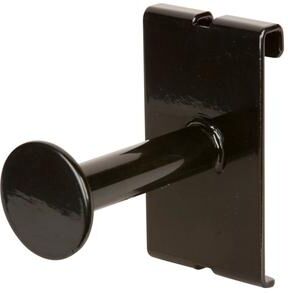
"Econoco 3"" Black Faceout with Disk End, grid panel accessory - Pack of 24"Round Tubing with disk end stop holds up to three garments on hangers with this metal faceout that features 3 colors, square or round rods and versions with disk or ball ends to prevent garments from falling.62,34 $*Shipping: 0,00 $Secure redirect to the provider
-
Is the electronics technician for automation technology difficult?
Becoming an electronics technician for automation technology can be challenging, as it requires a strong understanding of electrical systems, programming, and automation technology. The field is constantly evolving, so technicians must stay updated on the latest advancements and technologies. However, with dedication and the right training, individuals can develop the skills and knowledge needed to succeed in this role. It may be difficult at times, but the opportunities for growth and the potential to work on cutting-edge technology make it a rewarding career choice for those passionate about automation. **
-
How does one switch from an electronics technician for industrial engineering to an electronics technician for automation technology?
To switch from being an electronics technician for industrial engineering to automation technology, one can start by gaining knowledge and skills specific to automation technology through courses, workshops, or certifications. It is important to familiarize oneself with automation systems, PLC programming, robotics, and other relevant technologies. Networking with professionals in the automation industry and seeking opportunities for hands-on experience in automation projects can also be beneficial. Updating one's resume and highlighting any relevant experience or skills related to automation technology will help in transitioning to a new role as an electronics technician for automation technology. **
-
How can one switch from an electronics technician for industrial engineering to an electronics technician for automation technology?
To switch from being an electronics technician for industrial engineering to automation technology, one can start by gaining knowledge and skills specific to automation technology through courses or training programs. It is important to familiarize oneself with automation systems, PLC programming, and control systems. Additionally, gaining hands-on experience in automation technology through internships or on-the-job training can be beneficial. Networking with professionals in the automation technology field and seeking mentorship can also help in making a successful transition. **
-
What is the difference between an electronics technician for industrial engineering and an electronics technician for automation technology?
An electronics technician for industrial engineering typically focuses on maintaining and repairing electronic systems used in various industries, such as manufacturing plants or power plants. They are responsible for ensuring that electronic equipment operates efficiently and safely within an industrial setting. On the other hand, an electronics technician for automation technology specializes in designing, installing, and maintaining automated systems that control machinery and processes. They work with programmable logic controllers (PLCs) and other advanced technologies to optimize production processes and increase efficiency in industrial automation. **
* All prices are inclusive of VAT and, if applicable, plus shipping costs. The offer information is based on the details provided by the respective shop and is updated through automated processes. Real-time updates do not occur, so deviations can occur in individual cases. ** Note: Parts of this content were created by AI.