Buy media-engineering.eu ?
We are moving the project
media-engineering.eu .
Are you interested in purchasing the domain
media-engineering.eu ?
domain@kv-gmbh.de · 0541-91531010
Buy media-engineering.eu ?
What is a glyco- and lipid-anchored protein?
A glyco- and lipid-anchored protein is a type of membrane protein that is attached to the cell membrane through either a glycosylphosphatidylinositol (GPI) anchor or a lipid anchor. GPI-anchored proteins are attached to the membrane through a complex glycolipid structure, while lipid-anchored proteins are attached through a lipid molecule such as a fatty acid or isoprenoid. These anchors allow the protein to be embedded in the cell membrane, where it can carry out its specific functions, such as cell signaling or cell adhesion. **
Are the blood values for CRP, HbA1c, and glyco concerning?
The blood values for CRP, HbA1c, and glyco can be concerning depending on the specific values and the individual's overall health. CRP (C-reactive protein) is a marker of inflammation, and elevated levels may indicate an underlying infection or inflammatory condition. HbA1c measures average blood sugar levels over the past 2-3 months, and elevated levels may indicate poorly controlled diabetes. Glyco likely refers to blood glucose levels, and high levels can also indicate poorly controlled diabetes. It is important to consult a healthcare professional to interpret these values in the context of the individual's overall health and medical history. **

Similar search terms for Glyco
Top-Angebote
Products related to Glyco:
-
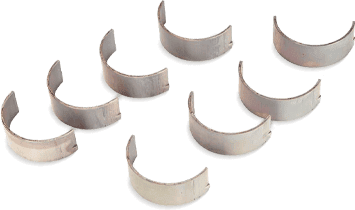
GLYCO 71-4573 0.50mm Big End BearingsSupplementary Article / Supplementary Info Info 2: Bronze coated steel back; Undersize [mm]: 0,5; Width [mm]: 31,13; for bearing clearance from [mm]: 0,04; for shaft diameter from [mm]: 68,987; for shaft diameter to [mm]: 69,013; for housing diameter from [mm]: 72,987; for housing diameter up to [mm]: 73,013; Component Number: 71-4573; Surface: Galvanically coated; TecDoc Engine Number: 12550, 12548, 12549, 12551, 12556, 12557, 12558, 12559, 12560, 12562, 12563, 6646, 16292, 16293, 16294, 21096, 16295, 16296, 21098, 16519, 22602, 16520, 21100, 21099, 24238, 16711, 16714, 16715, 16712, 16710, 24028, 21097, 18970, 18971, 20459, 20462, 16709, 21092, 21095, 22585, 23955, 24027, 24046, 24050, 24478, 6613, 7047, 18969, 21442, 30708, 6965, 53112, 34832, 34853, 49616, 49617, 30707, 33212, 35090, 6612, 6991, 6966; Construction Year from: 09/2006, 05/2006, 04/2003, 05/2003, 09/2003, 06/2003, 05/2005, 06/20067,99 £*Shipping: 8,45 £Secure redirect to the provider
-
GLYCO 55-4231 SEMI Small End Bushes, connecting rodWidth [mm]: 34,8; Component Number: 66634YC; Processing: Semi; Construction Year to: 12/1977, 12/1974; TecDoc Engine Number: 10397, 10421, 10417, 10460, 10462, 6852, 6840, 6908, 25193, 25194, 25195, 25315, 253225,59 £*Shipping: 8,45 £Secure redirect to the provider


-
How can one learn to become an electronics technician for industrial engineering or automation technology?
To become an electronics technician for industrial engineering or automation technology, one can start by pursuing a relevant educational program, such as an associate degree in electronics engineering technology or industrial automation. These programs typically cover topics such as electrical circuits, industrial control systems, and automation technologies. Additionally, gaining hands-on experience through internships or apprenticeships with companies in the industrial engineering or automation field can provide valuable practical skills. Seeking professional certifications, such as those offered by organizations like the International Society of Automation (ISA) or the Electronics Technicians Association (ETA), can also demonstrate expertise and knowledge in the field. Finally, staying updated with the latest advancements in industrial engineering and automation technology through continuous learning and professional development is essential for a successful career in this field. **
-
Is the technical diploma in automation technology difficult?
The difficulty of the technical diploma in automation technology can vary depending on the individual's background, experience, and aptitude for the subject matter. Some students may find the coursework challenging due to the complex concepts and technical skills required, while others with a strong foundation in math, science, and technology may find it more manageable. Overall, dedication, hard work, and a genuine interest in automation technology can help students succeed in completing the program. **
-
How are electronics technicians trained for automation technology?
Electronics technicians are trained for automation technology through a combination of formal education and on-the-job training. They typically complete a post-secondary program in electronics or a related field, where they learn about electrical circuits, digital electronics, and control systems. Additionally, they receive specialized training in automation technology, which includes learning about programmable logic controllers (PLCs), industrial robotics, and process control systems. This training may also involve hands-on experience with automation equipment and systems in a lab or industrial setting. Overall, electronics technicians are trained to understand and troubleshoot the complex systems used in automation technology. **
-
Is the electronics technician for automation technology difficult?
Becoming an electronics technician for automation technology can be challenging, as it requires a strong understanding of electrical systems, programming, and automation technology. The field is constantly evolving, so technicians must stay updated on the latest advancements and technologies. However, with dedication and the right training, individuals can develop the skills and knowledge needed to succeed in this role. It may be difficult at times, but the opportunities for growth and the potential to work on cutting-edge technology make it a rewarding career choice for those passionate about automation. **


How does one switch from an electronics technician for industrial engineering to an electronics technician for automation technology?
To switch from being an electronics technician for industrial engineering to automation technology, one can start by gaining knowledge and skills specific to automation technology through courses, workshops, or certifications. It is important to familiarize oneself with automation systems, PLC programming, robotics, and other relevant technologies. Networking with professionals in the automation industry and seeking opportunities for hands-on experience in automation projects can also be beneficial. Updating one's resume and highlighting any relevant experience or skills related to automation technology will help in transitioning to a new role as an electronics technician for automation technology. **
How can one switch from an electronics technician for industrial engineering to an electronics technician for automation technology?
To switch from being an electronics technician for industrial engineering to automation technology, one can start by gaining knowledge and skills specific to automation technology through courses or training programs. It is important to familiarize oneself with automation systems, PLC programming, and control systems. Additionally, gaining hands-on experience in automation technology through internships or on-the-job training can be beneficial. Networking with professionals in the automation technology field and seeking mentorship can also help in making a successful transition. **
Top-Angebote
Products related to Glyco:
-
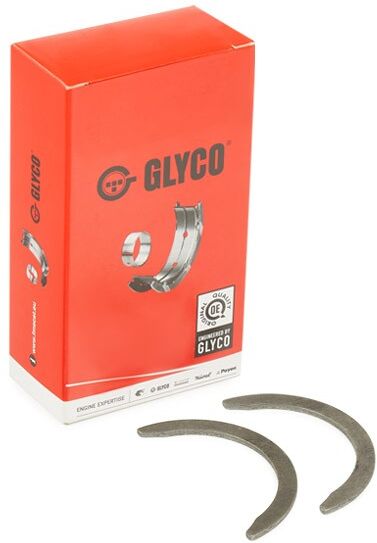
GLYCO A180/2 .005 Thrust Washer, crankshaftOversize [inch]: 0,01; TecDoc Engine Number: 1221, 1251, 4454, 1191, 4457, 1217, 1219, 1261, 1297, 1434, 1435, 1426, 1427, 4486, 1296, 1437, 1440, 4489, 1438, 1439, 1441, 4484, 4485, 1428, 1429, 16143, 1295, 5104, 10067, 10068, 22407, 22535, 22533, 5480, 12081, 15905, 15906, 1216, 15903, 15904, 15937, 15938, 15939, 22534, 22536, 32305, 1398, 22537, 17524, 17526, 20062, 24465, 24466, 24467, 18779, 18780, 25795, 25796, 25797, 25798, 25799, 25800, 25801, 38538, 38539, 17521, 18480, 23303, 20047, 19112, 20063, 25793, 25794, 38540, 26825, 23304, 42394, 26388, 26390, 26391, 26393, 23371, 23372, 24128, 24129, 29568, 29555, 317507,59 £*Shipping: 8,45 £Secure redirect to the provider
-
GLYCO A197/2 STD Thrust Washer, crankshaftComponent Number: 60987AF; Standard Size [STD]: ; TecDoc Engine Number: 3565, 3566, 39944, 5183, 5181, 5190, 5186, 39421, 5184, 31690, 39426, 13352, 39422, 39423, 874, 5189, 9387, 34383, 39440, 39462, 34391, 34393, 3562, 3582, 34376, 3563, 5389, 40831; Construction Year from: 05/1981, 01/1975, 01/1984; Construction Year to: 12/1993, 12/1990, 02/1993, 12/1980, 10/19866,59 £*Shipping: 8,45 £Secure redirect to the provider
-
GLYCO 71-4573 0.50mm Big End BearingsSupplementary Article / Supplementary Info Info 2: Bronze coated steel back; Undersize [mm]: 0,5; Width [mm]: 31,13; for bearing clearance from [mm]: 0,04; for shaft diameter from [mm]: 68,987; for shaft diameter to [mm]: 69,013; for housing diameter from [mm]: 72,987; for housing diameter up to [mm]: 73,013; Component Number: 71-4573; Surface: Galvanically coated; TecDoc Engine Number: 12550, 12548, 12549, 12551, 12556, 12557, 12558, 12559, 12560, 12562, 12563, 6646, 16292, 16293, 16294, 21096, 16295, 16296, 21098, 16519, 22602, 16520, 21100, 21099, 24238, 16711, 16714, 16715, 16712, 16710, 24028, 21097, 18970, 18971, 20459, 20462, 16709, 21092, 21095, 22585, 23955, 24027, 24046, 24050, 24478, 6613, 7047, 18969, 21442, 30708, 6965, 53112, 34832, 34853, 49616, 49617, 30707, 33212, 35090, 6612, 6991, 6966; Construction Year from: 09/2006, 05/2006, 04/2003, 05/2003, 09/2003, 06/2003, 05/2005, 06/20067,99 £*Shipping: 8,45 £Secure redirect to the provider
-
What is a glyco- and lipid-anchored protein?
A glyco- and lipid-anchored protein is a type of membrane protein that is attached to the cell membrane through either a glycosylphosphatidylinositol (GPI) anchor or a lipid anchor. GPI-anchored proteins are attached to the membrane through a complex glycolipid structure, while lipid-anchored proteins are attached through a lipid molecule such as a fatty acid or isoprenoid. These anchors allow the protein to be embedded in the cell membrane, where it can carry out its specific functions, such as cell signaling or cell adhesion. **
-
Are the blood values for CRP, HbA1c, and glyco concerning?
The blood values for CRP, HbA1c, and glyco can be concerning depending on the specific values and the individual's overall health. CRP (C-reactive protein) is a marker of inflammation, and elevated levels may indicate an underlying infection or inflammatory condition. HbA1c measures average blood sugar levels over the past 2-3 months, and elevated levels may indicate poorly controlled diabetes. Glyco likely refers to blood glucose levels, and high levels can also indicate poorly controlled diabetes. It is important to consult a healthcare professional to interpret these values in the context of the individual's overall health and medical history. **
-
How can one learn to become an electronics technician for industrial engineering or automation technology?
To become an electronics technician for industrial engineering or automation technology, one can start by pursuing a relevant educational program, such as an associate degree in electronics engineering technology or industrial automation. These programs typically cover topics such as electrical circuits, industrial control systems, and automation technologies. Additionally, gaining hands-on experience through internships or apprenticeships with companies in the industrial engineering or automation field can provide valuable practical skills. Seeking professional certifications, such as those offered by organizations like the International Society of Automation (ISA) or the Electronics Technicians Association (ETA), can also demonstrate expertise and knowledge in the field. Finally, staying updated with the latest advancements in industrial engineering and automation technology through continuous learning and professional development is essential for a successful career in this field. **
-
Is the technical diploma in automation technology difficult?
The difficulty of the technical diploma in automation technology can vary depending on the individual's background, experience, and aptitude for the subject matter. Some students may find the coursework challenging due to the complex concepts and technical skills required, while others with a strong foundation in math, science, and technology may find it more manageable. Overall, dedication, hard work, and a genuine interest in automation technology can help students succeed in completing the program. **
Similar search terms for Glyco
-
GLYCO 55-4231 SEMI Small End Bushes, connecting rodWidth [mm]: 34,8; Component Number: 66634YC; Processing: Semi; Construction Year to: 12/1977, 12/1974; TecDoc Engine Number: 10397, 10421, 10417, 10460, 10462, 6852, 6840, 6908, 25193, 25194, 25195, 25315, 253225,59 £*Shipping: 8,45 £Secure redirect to the provider
-
GLYCO 55-3625 SEMI Small End Bushes, connecting rodWidth [mm]: 21,9; Component Number: 55-3625; Processing: Semi; TecDoc Engine Number: 2206, 2211, 2216, 2207, 2212, 2229, 2217, 2218, 2219, 2230, 2221, 2223, 2226, 2210, 2215, 2054, 2220, 2225, 2208, 2227, 2228, 8942, 22700, 5400, 8032, 4676, 4678, 4680, 4679, 5398, 4674, 4675, 5238, 4677, 9425, 2213, 9416, 3612, 9892, 2214, 9424, 12910, 9422, 22920, 21112, 22917, 22914, 22909, 22985, 26681, 3613, 19846, 8041, 5682, 6020, 2209, 2222, 17818, 8014, 14670, 14672, 8013, 16185, 17819, 17822; Construction Year to: 06/1995; Construction Year from: 09/1996, 03/1997, 12/19967,59 £*Shipping: 8,45 £Secure redirect to the provider
-
How are electronics technicians trained for automation technology?
Electronics technicians are trained for automation technology through a combination of formal education and on-the-job training. They typically complete a post-secondary program in electronics or a related field, where they learn about electrical circuits, digital electronics, and control systems. Additionally, they receive specialized training in automation technology, which includes learning about programmable logic controllers (PLCs), industrial robotics, and process control systems. This training may also involve hands-on experience with automation equipment and systems in a lab or industrial setting. Overall, electronics technicians are trained to understand and troubleshoot the complex systems used in automation technology. **
-
Is the electronics technician for automation technology difficult?
Becoming an electronics technician for automation technology can be challenging, as it requires a strong understanding of electrical systems, programming, and automation technology. The field is constantly evolving, so technicians must stay updated on the latest advancements and technologies. However, with dedication and the right training, individuals can develop the skills and knowledge needed to succeed in this role. It may be difficult at times, but the opportunities for growth and the potential to work on cutting-edge technology make it a rewarding career choice for those passionate about automation. **
-
How does one switch from an electronics technician for industrial engineering to an electronics technician for automation technology?
To switch from being an electronics technician for industrial engineering to automation technology, one can start by gaining knowledge and skills specific to automation technology through courses, workshops, or certifications. It is important to familiarize oneself with automation systems, PLC programming, robotics, and other relevant technologies. Networking with professionals in the automation industry and seeking opportunities for hands-on experience in automation projects can also be beneficial. Updating one's resume and highlighting any relevant experience or skills related to automation technology will help in transitioning to a new role as an electronics technician for automation technology. **
-
How can one switch from an electronics technician for industrial engineering to an electronics technician for automation technology?
To switch from being an electronics technician for industrial engineering to automation technology, one can start by gaining knowledge and skills specific to automation technology through courses or training programs. It is important to familiarize oneself with automation systems, PLC programming, and control systems. Additionally, gaining hands-on experience in automation technology through internships or on-the-job training can be beneficial. Networking with professionals in the automation technology field and seeking mentorship can also help in making a successful transition. **
* All prices are inclusive of VAT and, if applicable, plus shipping costs. The offer information is based on the details provided by the respective shop and is updated through automated processes. Real-time updates do not occur, so deviations can occur in individual cases. ** Note: Parts of this content were created by AI.