Buy media-engineering.eu ?
We are moving the project
media-engineering.eu .
Are you interested in purchasing the domain
media-engineering.eu ?
domain@kv-gmbh.de · 0541-91531010
Buy media-engineering.eu ?
Which FOS is meant: Technology or Economics?
The FOS (Field of Study) that is meant can vary depending on the context. If the question is asking about a specific academic program or course, then the FOS would be Technology or Economics, depending on the focus of the program. If the question is asking about a specific career or industry, then the FOS would also depend on the specific field within Technology or Economics. It's important to clarify the context in order to determine which FOS is being referred to. **
Should I study industrial engineering or economics?
The decision between studying industrial engineering or economics ultimately depends on your interests and career goals. If you are interested in understanding and improving complex systems, processes, and operations within industries, then industrial engineering may be a better fit for you. On the other hand, if you are more interested in understanding how markets, businesses, and economies function, then economics may be a better choice. Consider your strengths, interests, and long-term career aspirations to make an informed decision. Additionally, you may also want to consider the job market and potential career opportunities for each field. **
Similar search terms for Economics
Top-Angebote
Products related to Economics:
-
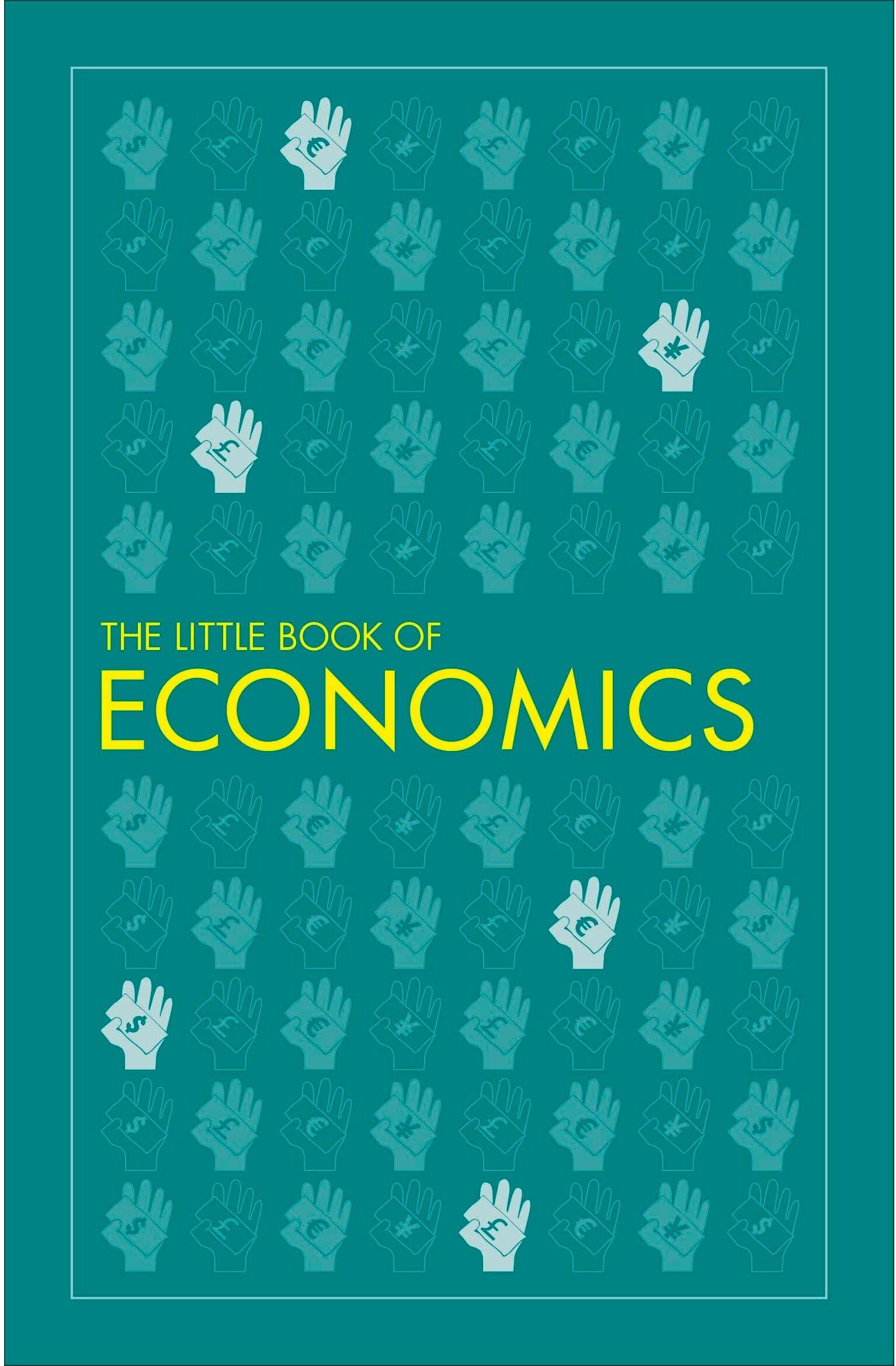
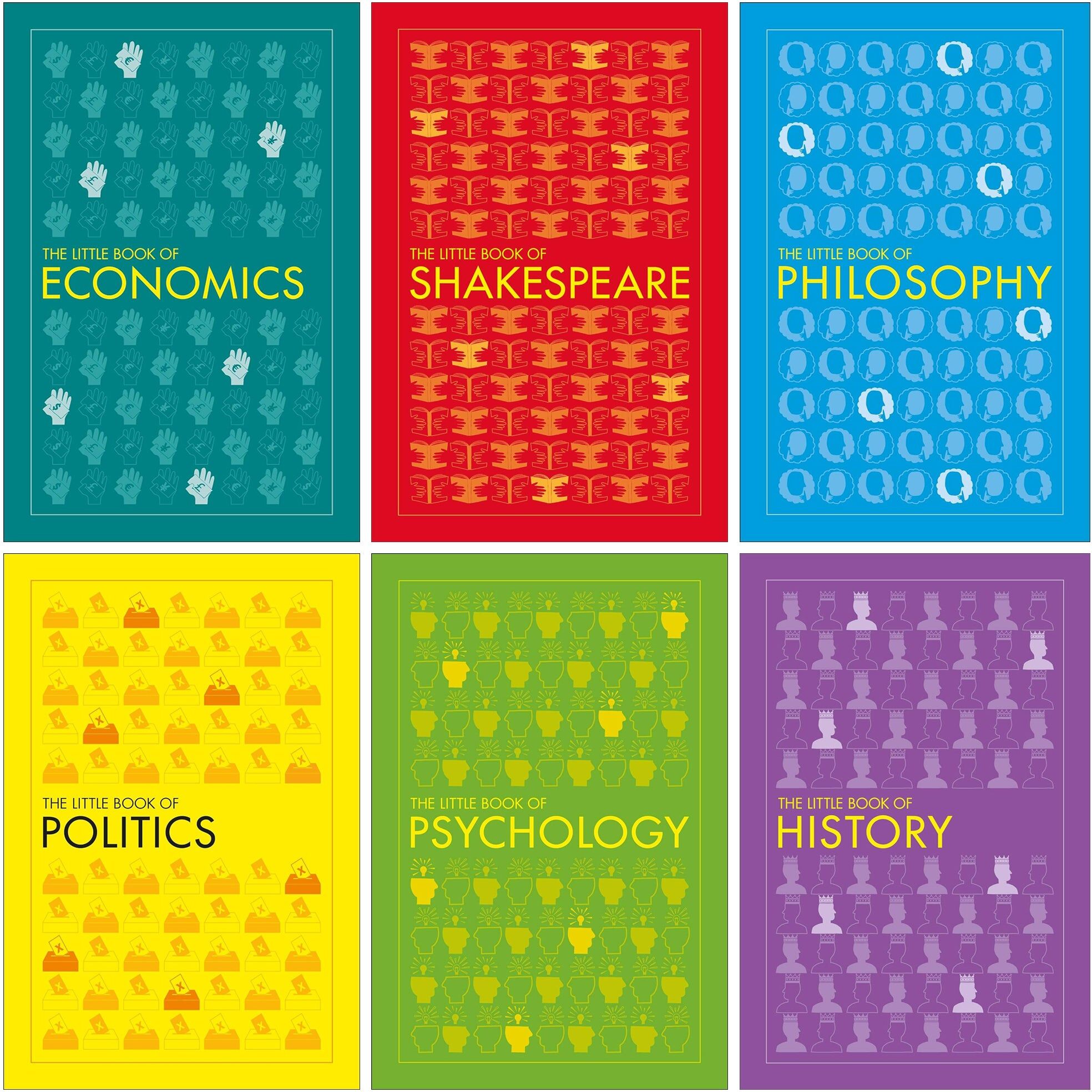
DK The Little Book Of Series 6 Books Collection Set (Economics, Politics, Shakespeare, Philosophy, Psychology, History)The Little Book Of Economics From the earliest forms of currency to the Industrial Revolution, and from the birth of the stock market to free-market capitalism and globalized trade, The Little Book of Economics brings economic theory and the work of key economists to life. Journeying through centuries of economic thought, it is the perfect pocket-sized guide to the subject. The Little Book Of Politics From the origins of democracy to Machiavelli's cunning statecraft, and from Rousseau's "social contract" to the American Declaration of Independence, Marxist communism, the dawn of populism, and identity politics, The Little Book of Politics examines the philosophies behind the different political beliefs and methods of government used around the world over the course of human history. The Little Book Of Shakespeare This bold book covers every work, from the comedies of Twelfth Night and As You Like It to the tragedies of Julius Caesar and Hamlet, plus lost plays and less well-known works of poetry. Easy-to-understand graphics and illustrations bring the themes, plots, characters and language of Shakespeare to life, including illustrated timelines which offer an at-a-glance summary of the action for each play. With detailed plot summaries and an in-depth analysis of the major characters and themes, this is a brilliant, innovative exploration of the entire canon of Shakespeare plays, sonnets and poetry. The Little Book Of Philosophy To the complete novice learning about philosophy can be daunting - The Little Book of Philosophy changes all that. With the use of powerful and easy-to-follow images, famous quotations, and explanations that are easily understandable, this book cuts through any misunderstandings to demystify the subject. The Little Book Of Psychology DK's The Little Book of Psychology answers all these questions and provides an insight into this fascinating field of science. Whether you are a student, an expert, a novice, or have a general interest in the human mind, this portable guide is the perfect choice to start exploring and understanding psychology. The Little Book Of History The Little Book of History charts world history from the dawn of civilisation to the modern culture we live in today. From the origins of homo-sapiens to the release of Nelson Mandela, from the French Revolution to the Space Race, The Little Book of History is a stunning exploration of the human timeline up to and including modern Islam, the world wide web, and the global financial crisis.14,99 £*Shipping: 2,99 £Secure redirect to the provider
-
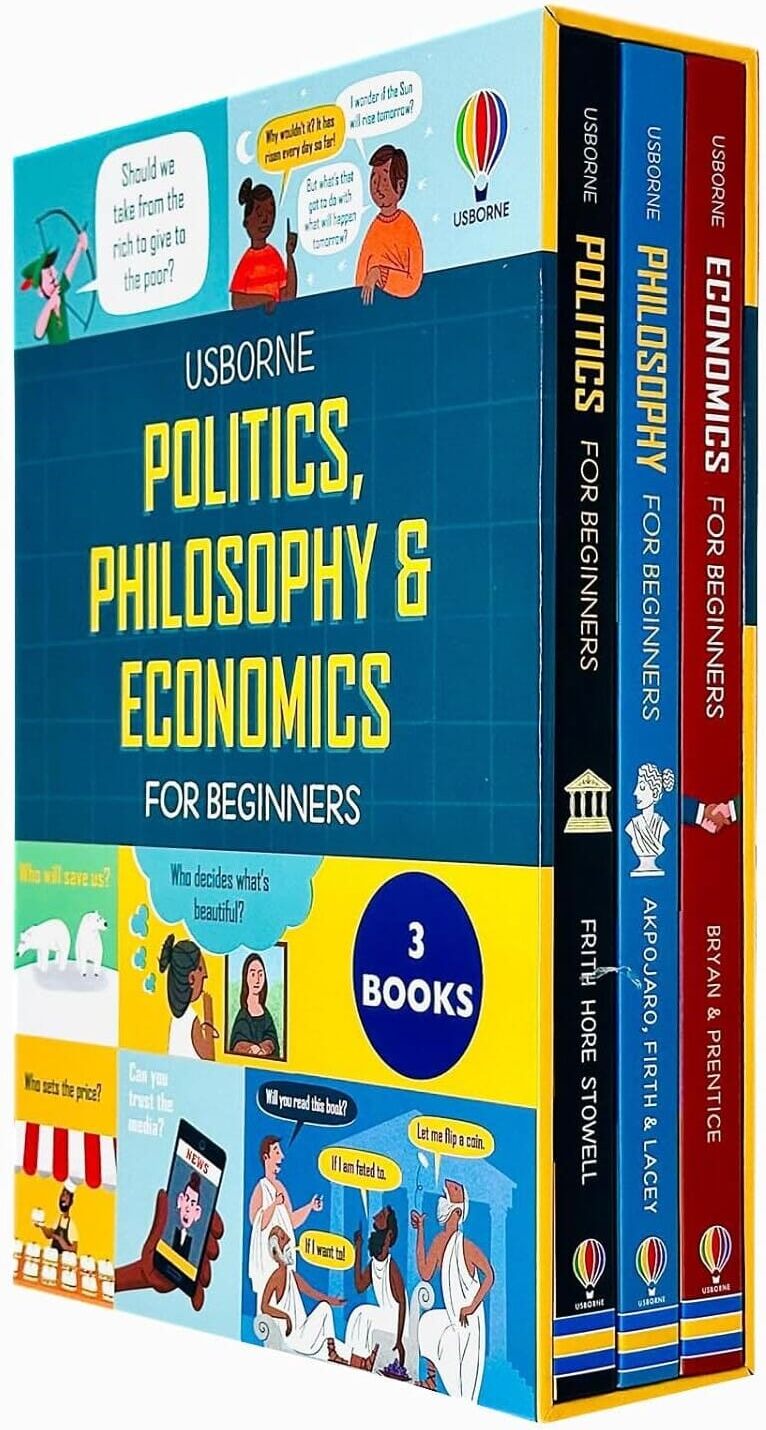
Usborne For Beginners Series: Politics, Philosophy and Economics 3 Books Collection Box Set - Ages 11+ - Hardback Usborne Publishing LtdTitles in this set: 1. Politics for Beginners 2. Philosophy for Beginners 3. Economics for Beginners Politics for Beginners An informative guide to political systems, elections, voting and government, and issues including feminism, human rights, freedom of speech and fake news, all explained with clear text and bright, infographic-style illustrations. Includes tips on how to argue and debate, a glossary, and links to specially selected websites with more information. Philosophy for Beginners Philosophy is a way of thinking about just about anything. It asks big questions, such as "how can I be good?" or "what makes something beautiful?" Using lively examples, humorous illustrations and simple thought experiments, this book opens up the world of philosophy to both children and adults and includes links to recommended websites with videos, games and activities to find out more. Economics for Beginners Nobody has everything they need, all the time - so how can we make do with what we have? Economics is all about understanding the choices we make to solve this problem. With bright, infographics pictures, this informative book describes why markets are so important, how businesses work out what to sell, and how governments choose how to run a country. Includes Usborne Quicklinks to specially selected websites for more information.14,95 £*Shipping: 2,99 £Secure redirect to the provider
-
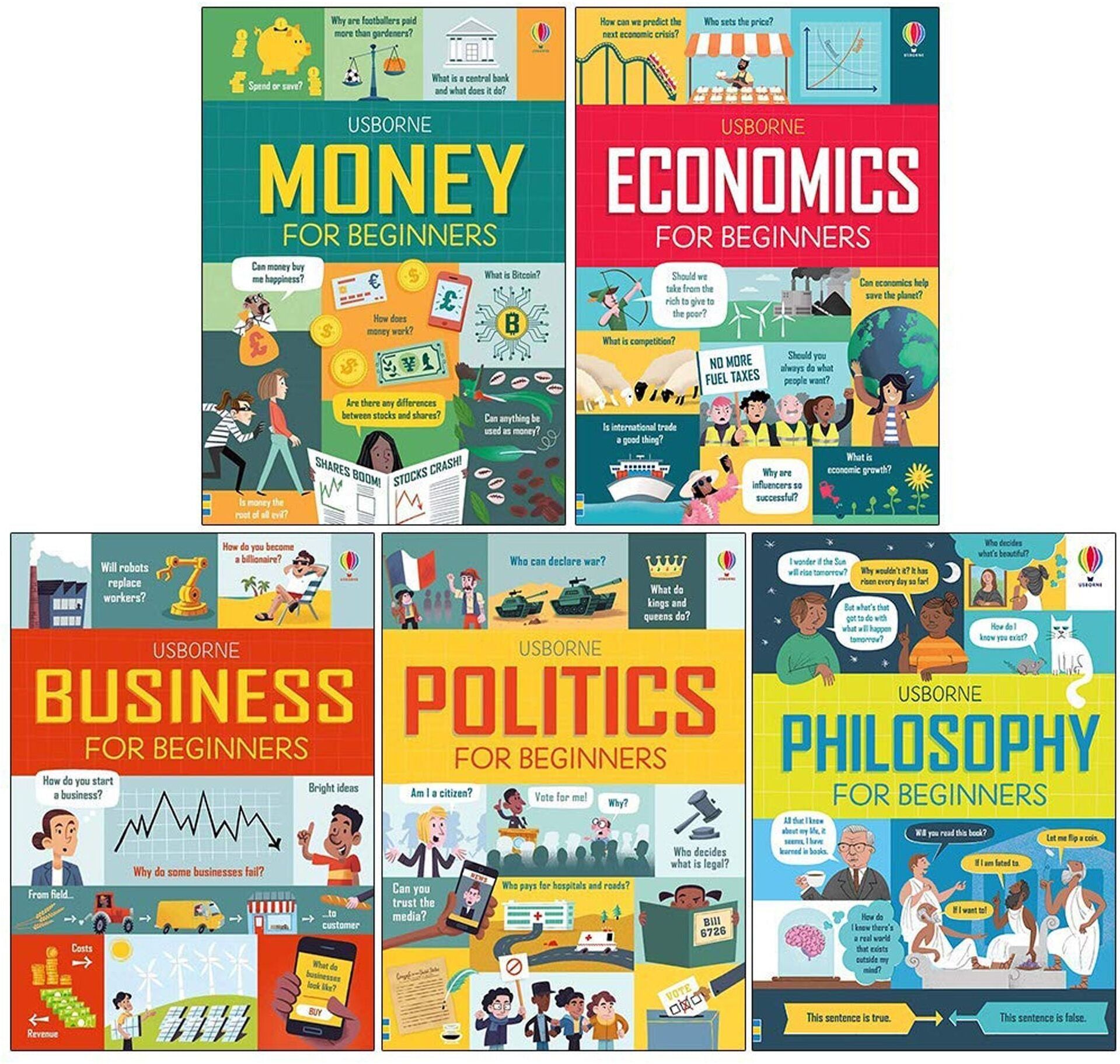
Usborne Big Subjects for Beginners 5 Books Collection Box Set Money, Economics, Business, Politics & Philosophy – Illustrated Educational Learning GHelp children understand the world around them with the Usborne Big Subjects for Beginners – 5 Books Collection Box Set, a beautifully illustrated introduction to some of the most important topics in modern life. Each book breaks down complex ideas into simple, engaging explanations perfect for kids, beginners, and curious young minds.Packed with colourful diagrams, friendly illustrations, quick facts, and clear examples, this set helps young readers explore big ideas with confidence. This educational collection includes: Money for Beginners – Understanding money, saving, spending, and how currency works. Economics for Beginners – Supply, demand, trade, markets, and how economies function. Business for Beginners – How businesses start, operate, grow, and succeed. Politics for Beginners – Governments, elections, laws, democracy, and world politics explained. Philosophy for Beginners – Big questions about life, knowledge, ethics, and thinking skills. Perfect for ages 9–14, home learning, school topics, and young readers who love discovering new knowledge. Related Tags: Usborne, Usbourne Books19,99 £*Shipping: 2,99 £Secure redirect to the provider
-
Usborne STEM Scribble Books Collection – 4 Book Set Science, Technology, Engineering & Maths Activity Books for KidsInspire curiosity and creative learning with the Usborne STEM Scribble Books Collection – 4 Book Set, from the trusted Usborne. This exciting educational collection includes: Science Scribble Book Technology Scribble Book Engineering Scribble Book Maths Scribble Book Packed with fun activities, puzzles, drawing challenges, and problem-solving exercises, these interactive scribble books introduce children to the exciting world of STEM (Science, Technology, Engineering, and Mathematics). Designed to make learning enjoyable, they encourage creativity, logical thinking, and hands-on exploration. Perfect for home learning, classroom activities, school holidays, and travel, this collection helps children build confidence while developing essential STEM skills. Why Parents & Teachers Love This Collection: Includes 4 engaging STEM activity books Encourages creativity, problem-solving, and critical thinking Covers Science, Technology, Engineering & Maths Interactive scribble activities make learning fun Ideal for children aged 6+, home learning, and classrooms A fantastic educational resource, the Usborne STEM Scribble Books Collection helps children discover, create, and learn through exciting hands-on activities.8,99 £*Shipping: 2,99 £Secure redirect to the provider

-
What is the difference between industrial engineering and economics?
Industrial engineering focuses on optimizing complex systems and processes within a variety of industries, with a focus on improving efficiency and productivity. It involves the application of engineering principles to the design, improvement, and management of systems. On the other hand, economics is the study of how individuals, businesses, and societies allocate resources and make decisions about production, consumption, and distribution. It focuses on understanding the behavior of markets, businesses, and consumers, as well as the impact of policies and regulations on economic outcomes. While industrial engineering is more focused on the technical and operational aspects of production and processes, economics is more focused on the broader social and behavioral aspects of resource allocation and decision-making. **
-
How can computer engineering and agricultural economics be connected?
Computer engineering and agricultural economics can be connected through the development and implementation of technology solutions to improve efficiency and productivity in the agricultural sector. Computer engineers can design and build advanced agricultural machinery, automated systems for monitoring and managing crops, and precision farming technologies. These innovations can help agricultural economists analyze and optimize production processes, make informed decisions based on data, and ultimately improve the overall economic performance of the agricultural industry. By leveraging computer engineering expertise, agricultural economics can benefit from cutting-edge technology to address challenges and drive sustainable growth in the agricultural sector. **
-
What is the significance of marginal analysis in business economics?
Marginal analysis is significant in business economics because it helps businesses make informed decisions about resource allocation and production levels. By analyzing the marginal cost and marginal revenue of each unit produced, businesses can determine the optimal level of production to maximize profits. Additionally, marginal analysis allows businesses to evaluate the potential impact of small changes in production or pricing on their overall profitability. This helps businesses to make strategic decisions that can improve efficiency and competitiveness in the market. **
-
What is the difference between Quantitative Economics and Economics?
Quantitative economics is a subfield of economics that focuses on using mathematical and statistical methods to analyze economic phenomena, while economics is a broader field that encompasses the study of how societies allocate scarce resources to satisfy unlimited wants. Quantitative economics emphasizes the use of data and mathematical models to understand and predict economic behavior, while economics encompasses a wider range of topics, including microeconomics, macroeconomics, international economics, and development economics. In essence, quantitative economics is a more specialized and technical approach within the broader field of economics. **

Which subject is taught in 10th grade: Information Technology or Economics?
In 10th grade, students are typically taught Economics. This subject covers topics such as microeconomics, macroeconomics, and economic systems. Information Technology may also be offered as a separate course, but it is less commonly taught in 10th grade compared to Economics. **
'Economics or Geography?'
Both economics and geography are important fields of study that offer unique perspectives on the world. Economics focuses on the production, distribution, and consumption of goods and services, while geography examines the physical features of the Earth and how they impact human activities. Ultimately, the choice between economics and geography depends on individual interests and career goals. Those interested in understanding global markets and financial systems may prefer economics, while those interested in environmental issues and spatial relationships may lean towards geography. Both fields offer valuable insights and can complement each other in understanding complex societal issues. **
Top-Angebote
Products related to Economics:
-
The Little Book of Economics (DK Big Ideas Series)This book is the perfect introduction to the subject of economics and economic ideas through history. From the earliest forms of currency to the Industrial Revolution, and from the birth of the stock market to free-market capitalism and globalized trade, The Little Book of Economics brings economic theory and the work of key economists to life. Journeying through centuries of economic thought, it is the perfect pocket-sized guide to the subject. Packed with infographics and flowcharts that explain complex concepts clearly and simply, The Little Book of Economics offers you a combination of clear text and hard-working infographics in a portable format that is perfect for reading on the go.5,99 £*Shipping: 2,99 £Secure redirect to the provider
-
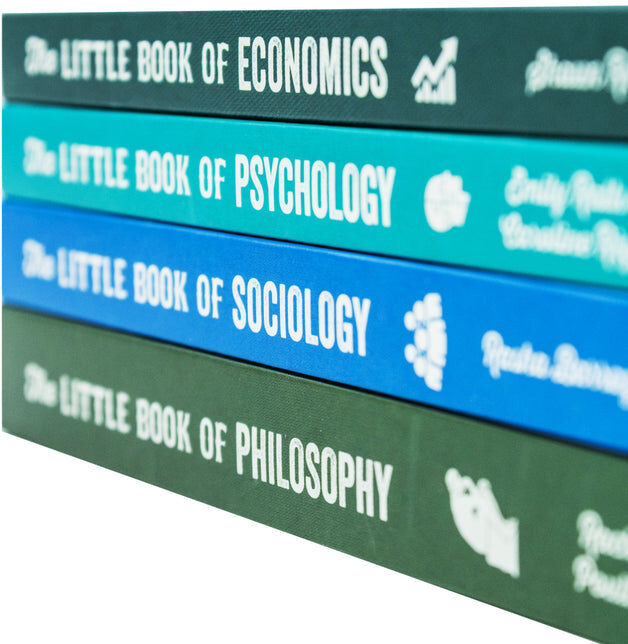
Summersdale Publishers The Little Book of Philosophy, Sociology, Economics & Psychology 4 Books Collection SetThe Little Book of Philosophy Philosophy is a quest for wisdom and knowledge; philosophia in Ancient Greek literally means “love of wisdom”. The aim of philosophy is to ask and explore life’s big questions to help us work out what we can know and how we can live a good life. Today, in a world of fake news, embarking on a quest for truth couldn’t be more important. The Little Book of Sociology From the smallest everyday interaction to the impact of vast systemic change, societies are brimming with fascinating phenomena we all want to understand more clearly.There's never been a more important moment to grasp what's going on around us, and this pocket-sized guide offers an engaging introduction to the key sociological concepts. The Little Book of Economics This Book will bring you up to speed on the basics of micro- and macroeconomics and demystify the world of taxes, trade, investments and finance, in simple English and with easy-to-follow examples.By the end of this crash course, you will have a grasp on all the essential terms, concepts and theories you need to know to understand modern-day. The Little Book of Psychology If you want to know your Freud from your Jung and your Milgram from your Maslow, strap in for this whirlwind tour of the highlights of psychology. Including accessible primers on: - The early thinkers who contributed to psychological ideas and the birth of modern psychology- Famous (and often controversial) experiments and their repercussions.12,99 £*Shipping: 2,99 £Secure redirect to the provider
-
DK The Little Book Of Series 6 Books Collection Set (Economics, Politics, Shakespeare, Philosophy, Psychology, History)The Little Book Of Economics From the earliest forms of currency to the Industrial Revolution, and from the birth of the stock market to free-market capitalism and globalized trade, The Little Book of Economics brings economic theory and the work of key economists to life. Journeying through centuries of economic thought, it is the perfect pocket-sized guide to the subject. The Little Book Of Politics From the origins of democracy to Machiavelli's cunning statecraft, and from Rousseau's "social contract" to the American Declaration of Independence, Marxist communism, the dawn of populism, and identity politics, The Little Book of Politics examines the philosophies behind the different political beliefs and methods of government used around the world over the course of human history. The Little Book Of Shakespeare This bold book covers every work, from the comedies of Twelfth Night and As You Like It to the tragedies of Julius Caesar and Hamlet, plus lost plays and less well-known works of poetry. Easy-to-understand graphics and illustrations bring the themes, plots, characters and language of Shakespeare to life, including illustrated timelines which offer an at-a-glance summary of the action for each play. With detailed plot summaries and an in-depth analysis of the major characters and themes, this is a brilliant, innovative exploration of the entire canon of Shakespeare plays, sonnets and poetry. The Little Book Of Philosophy To the complete novice learning about philosophy can be daunting - The Little Book of Philosophy changes all that. With the use of powerful and easy-to-follow images, famous quotations, and explanations that are easily understandable, this book cuts through any misunderstandings to demystify the subject. The Little Book Of Psychology DK's The Little Book of Psychology answers all these questions and provides an insight into this fascinating field of science. Whether you are a student, an expert, a novice, or have a general interest in the human mind, this portable guide is the perfect choice to start exploring and understanding psychology. The Little Book Of History The Little Book of History charts world history from the dawn of civilisation to the modern culture we live in today. From the origins of homo-sapiens to the release of Nelson Mandela, from the French Revolution to the Space Race, The Little Book of History is a stunning exploration of the human timeline up to and including modern Islam, the world wide web, and the global financial crisis.14,99 £*Shipping: 2,99 £Secure redirect to the provider
-
Usborne For Beginners Series: Politics, Philosophy and Economics 3 Books Collection Box Set - Ages 11+ - Hardback Usborne Publishing LtdTitles in this set: 1. Politics for Beginners 2. Philosophy for Beginners 3. Economics for Beginners Politics for Beginners An informative guide to political systems, elections, voting and government, and issues including feminism, human rights, freedom of speech and fake news, all explained with clear text and bright, infographic-style illustrations. Includes tips on how to argue and debate, a glossary, and links to specially selected websites with more information. Philosophy for Beginners Philosophy is a way of thinking about just about anything. It asks big questions, such as "how can I be good?" or "what makes something beautiful?" Using lively examples, humorous illustrations and simple thought experiments, this book opens up the world of philosophy to both children and adults and includes links to recommended websites with videos, games and activities to find out more. Economics for Beginners Nobody has everything they need, all the time - so how can we make do with what we have? Economics is all about understanding the choices we make to solve this problem. With bright, infographics pictures, this informative book describes why markets are so important, how businesses work out what to sell, and how governments choose how to run a country. Includes Usborne Quicklinks to specially selected websites for more information.14,95 £*Shipping: 2,99 £Secure redirect to the provider
-
Which FOS is meant: Technology or Economics?
The FOS (Field of Study) that is meant can vary depending on the context. If the question is asking about a specific academic program or course, then the FOS would be Technology or Economics, depending on the focus of the program. If the question is asking about a specific career or industry, then the FOS would also depend on the specific field within Technology or Economics. It's important to clarify the context in order to determine which FOS is being referred to. **
-
Should I study industrial engineering or economics?
The decision between studying industrial engineering or economics ultimately depends on your interests and career goals. If you are interested in understanding and improving complex systems, processes, and operations within industries, then industrial engineering may be a better fit for you. On the other hand, if you are more interested in understanding how markets, businesses, and economies function, then economics may be a better choice. Consider your strengths, interests, and long-term career aspirations to make an informed decision. Additionally, you may also want to consider the job market and potential career opportunities for each field. **
-
What is the difference between industrial engineering and economics?
Industrial engineering focuses on optimizing complex systems and processes within a variety of industries, with a focus on improving efficiency and productivity. It involves the application of engineering principles to the design, improvement, and management of systems. On the other hand, economics is the study of how individuals, businesses, and societies allocate resources and make decisions about production, consumption, and distribution. It focuses on understanding the behavior of markets, businesses, and consumers, as well as the impact of policies and regulations on economic outcomes. While industrial engineering is more focused on the technical and operational aspects of production and processes, economics is more focused on the broader social and behavioral aspects of resource allocation and decision-making. **
-
How can computer engineering and agricultural economics be connected?
Computer engineering and agricultural economics can be connected through the development and implementation of technology solutions to improve efficiency and productivity in the agricultural sector. Computer engineers can design and build advanced agricultural machinery, automated systems for monitoring and managing crops, and precision farming technologies. These innovations can help agricultural economists analyze and optimize production processes, make informed decisions based on data, and ultimately improve the overall economic performance of the agricultural industry. By leveraging computer engineering expertise, agricultural economics can benefit from cutting-edge technology to address challenges and drive sustainable growth in the agricultural sector. **
Similar search terms for Economics
-
Usborne Big Subjects for Beginners 5 Books Collection Box Set Money, Economics, Business, Politics & Philosophy – Illustrated Educational Learning GHelp children understand the world around them with the Usborne Big Subjects for Beginners – 5 Books Collection Box Set, a beautifully illustrated introduction to some of the most important topics in modern life. Each book breaks down complex ideas into simple, engaging explanations perfect for kids, beginners, and curious young minds.Packed with colourful diagrams, friendly illustrations, quick facts, and clear examples, this set helps young readers explore big ideas with confidence. This educational collection includes: Money for Beginners – Understanding money, saving, spending, and how currency works. Economics for Beginners – Supply, demand, trade, markets, and how economies function. Business for Beginners – How businesses start, operate, grow, and succeed. Politics for Beginners – Governments, elections, laws, democracy, and world politics explained. Philosophy for Beginners – Big questions about life, knowledge, ethics, and thinking skills. Perfect for ages 9–14, home learning, school topics, and young readers who love discovering new knowledge. Related Tags: Usborne, Usbourne Books19,99 £*Shipping: 2,99 £Secure redirect to the provider
-
Usborne STEM Scribble Books Collection – 4 Book Set Science, Technology, Engineering & Maths Activity Books for KidsInspire curiosity and creative learning with the Usborne STEM Scribble Books Collection – 4 Book Set, from the trusted Usborne. This exciting educational collection includes: Science Scribble Book Technology Scribble Book Engineering Scribble Book Maths Scribble Book Packed with fun activities, puzzles, drawing challenges, and problem-solving exercises, these interactive scribble books introduce children to the exciting world of STEM (Science, Technology, Engineering, and Mathematics). Designed to make learning enjoyable, they encourage creativity, logical thinking, and hands-on exploration. Perfect for home learning, classroom activities, school holidays, and travel, this collection helps children build confidence while developing essential STEM skills. Why Parents & Teachers Love This Collection: Includes 4 engaging STEM activity books Encourages creativity, problem-solving, and critical thinking Covers Science, Technology, Engineering & Maths Interactive scribble activities make learning fun Ideal for children aged 6+, home learning, and classrooms A fantastic educational resource, the Usborne STEM Scribble Books Collection helps children discover, create, and learn through exciting hands-on activities.8,99 £*Shipping: 2,99 £Secure redirect to the provider
-
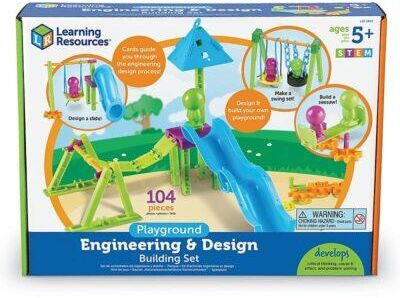
Learning Resources Playground Engineering & Design KitEncourage your child to come up with their own designs or they can follow the Challenge Cards, which include how to build different pieces of equipment on a playground (a twisty slide, a swing set, a seesaw, and more). Reproducible worksheets based...29,99 $*Shipping: 0,00 $Secure redirect to the provider
-
AMX MU-3300 MUSE Automation Controller, 8 Serial (AMX-CCC033)The AMX MU-3300 MUSE Automation Controller is a powerful, secure, and reliable device that provides a dedicated computing resource running HARMAN Professional's AMX MUSE automation platform. The MU-3300 can simultaneously process a virtually unlimited number of scripts written in JavaScript, Python, or Groovy and natively supports Low-Code development with Node-RED. SpecificationsCountry of Origin: MexicoWeight: 8.3 lbs2418,49 £*Shipping: 0,00 £Secure redirect to the provider
-
What is the significance of marginal analysis in business economics?
Marginal analysis is significant in business economics because it helps businesses make informed decisions about resource allocation and production levels. By analyzing the marginal cost and marginal revenue of each unit produced, businesses can determine the optimal level of production to maximize profits. Additionally, marginal analysis allows businesses to evaluate the potential impact of small changes in production or pricing on their overall profitability. This helps businesses to make strategic decisions that can improve efficiency and competitiveness in the market. **
-
What is the difference between Quantitative Economics and Economics?
Quantitative economics is a subfield of economics that focuses on using mathematical and statistical methods to analyze economic phenomena, while economics is a broader field that encompasses the study of how societies allocate scarce resources to satisfy unlimited wants. Quantitative economics emphasizes the use of data and mathematical models to understand and predict economic behavior, while economics encompasses a wider range of topics, including microeconomics, macroeconomics, international economics, and development economics. In essence, quantitative economics is a more specialized and technical approach within the broader field of economics. **
-
Which subject is taught in 10th grade: Information Technology or Economics?
In 10th grade, students are typically taught Economics. This subject covers topics such as microeconomics, macroeconomics, and economic systems. Information Technology may also be offered as a separate course, but it is less commonly taught in 10th grade compared to Economics. **
-
'Economics or Geography?'
Both economics and geography are important fields of study that offer unique perspectives on the world. Economics focuses on the production, distribution, and consumption of goods and services, while geography examines the physical features of the Earth and how they impact human activities. Ultimately, the choice between economics and geography depends on individual interests and career goals. Those interested in understanding global markets and financial systems may prefer economics, while those interested in environmental issues and spatial relationships may lean towards geography. Both fields offer valuable insights and can complement each other in understanding complex societal issues. **
* All prices are inclusive of VAT and, if applicable, plus shipping costs. The offer information is based on the details provided by the respective shop and is updated through automated processes. Real-time updates do not occur, so deviations can occur in individual cases. ** Note: Parts of this content were created by AI.