Buy media-engineering.eu ?
We are moving the project
media-engineering.eu .
Are you interested in purchasing the domain
media-engineering.eu ?
domain@kv-gmbh.de · 0541-91531010
Buy media-engineering.eu ?
'Meat or no meat?'
The decision to eat meat or not is a personal choice that depends on individual beliefs, values, and dietary preferences. Some people choose to eat meat for its nutritional benefits, while others opt for a vegetarian or vegan diet for ethical, environmental, or health reasons. It's important to consider the impact of meat consumption on animal welfare, the environment, and personal health when making this decision. Ultimately, the choice of whether to eat meat or not is a personal one that should be made based on careful consideration of these factors. **
Wild meat or regular meat?
It's important to consider the ethical and environmental implications of consuming wild meat versus regular meat. Wild meat, such as game animals, can be a more sustainable and natural option as it is often hunted in a way that supports local ecosystems and wildlife populations. However, regular meat from domesticated animals can be more readily available and may be produced in a more controlled and regulated manner. Ultimately, the choice between wild meat and regular meat depends on individual preferences, ethical considerations, and access to sustainable sources. **
Similar search terms for Meat
Top-Angebote
Products related to Meat:
-
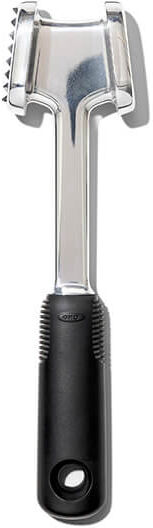
OXO Good Grips Meat TenderiserUpgrade your kitchen toolkit with the OXO Good Grips Meat Tenderiser, a durable die‑cast mallet built to deliver efficient, consistent results. Designed with two functional sides, it gives you the control to prep a wide range of proteins with ease. The textured, pyramid‑tooth surface helps loosen tough muscle fibres, allowing marinades to penetrate more effectively and improving tenderness. Flip to the smooth face to create even thickness in chicken, pork, or beef, supporting quicker, more uniform cooking. Thoughtfully balanced, the weighted head provides powerful impact without requiring extra effort, while the signature OXO soft, non‑slip handle keeps your grip secure—even with wet hands. Crafted from robust die‑cast aluminium, this tool is made to withstand regular use and remain a reliable part of your food‑prep routine.15,30 £*Shipping: 3,50 £Secure redirect to the provider


-
How can one learn to become an electronics technician for industrial engineering or automation technology?
To become an electronics technician for industrial engineering or automation technology, one can start by pursuing a relevant educational program, such as an associate degree in electronics engineering technology or industrial automation. These programs typically cover topics such as electrical circuits, industrial control systems, and automation technologies. Additionally, gaining hands-on experience through internships or apprenticeships with companies in the industrial engineering or automation field can provide valuable practical skills. Seeking professional certifications, such as those offered by organizations like the International Society of Automation (ISA) or the Electronics Technicians Association (ETA), can also demonstrate expertise and knowledge in the field. Finally, staying updated with the latest advancements in industrial engineering and automation technology through continuous learning and professional development is essential for a successful career in this field. **
-
Question to the vegetarians and vegans: What do you think of the new meat innovation?
As a vegetarian/vegan, I believe that the new meat innovation is a positive step towards providing more sustainable and ethical food options. I appreciate the efforts to create plant-based alternatives that closely mimic the taste and texture of meat, as it provides more choices for those looking to reduce their consumption of animal products. This innovation also has the potential to reduce the environmental impact of meat production and improve animal welfare. Overall, I see it as a promising development in the food industry. **
-
Does meat substitute really replace meat?
Meat substitutes can provide a similar texture and taste to meat, making them a viable option for those looking to reduce their meat consumption. However, they may not fully replace the nutritional benefits of meat, as they may lack certain essential nutrients such as complete proteins, iron, and vitamin B12. Additionally, the environmental and ethical implications of meat production are not fully addressed by meat substitutes. While they can be a helpful alternative for some, it's important to consider the overall impact and nutritional value when choosing between meat and meat substitutes. **
-
Should vegan/vegetarian meat be called meat?
The term "meat" traditionally refers to the flesh of animals, so some argue that vegan/vegetarian alternatives should not be labeled as such. However, using the term "meat" for plant-based products helps consumers understand their purpose as substitutes for traditional meat. As long as the labeling is clear and transparent about the ingredients, it can be a helpful way to market these products to a wider audience. Ultimately, the decision on labeling should prioritize consumer understanding and transparency. **

Should one call vegan/vegetarian meat "meat"?
The term "meat" traditionally refers to the flesh of animals, so using it to describe plant-based products can be misleading. To avoid confusion and accurately represent the nature of the product, it may be more appropriate to use terms like "plant-based protein" or "meat alternative" to describe vegan/vegetarian meat. This can help consumers make informed choices and understand the differences between animal-derived and plant-based products. **
Are there meat scraps in meat salad?
Meat salad typically does not contain meat scraps. Instead, it is usually made with high-quality cuts of meat, such as grilled chicken, steak, or turkey. These meats are typically sliced or diced and then mixed with fresh vegetables, herbs, and a dressing to create a flavorful and satisfying salad. The use of high-quality meat ensures that the salad is both delicious and safe to eat. **
Top-Angebote
Products related to Meat:
-
OXO Good Grips Meat TenderiserUpgrade your kitchen toolkit with the OXO Good Grips Meat Tenderiser, a durable die‑cast mallet built to deliver efficient, consistent results. Designed with two functional sides, it gives you the control to prep a wide range of proteins with ease. The textured, pyramid‑tooth surface helps loosen tough muscle fibres, allowing marinades to penetrate more effectively and improving tenderness. Flip to the smooth face to create even thickness in chicken, pork, or beef, supporting quicker, more uniform cooking. Thoughtfully balanced, the weighted head provides powerful impact without requiring extra effort, while the signature OXO soft, non‑slip handle keeps your grip secure—even with wet hands. Crafted from robust die‑cast aluminium, this tool is made to withstand regular use and remain a reliable part of your food‑prep routine.15,30 £*Shipping: 3,50 £Secure redirect to the provider
-
'Meat or no meat?'
The decision to eat meat or not is a personal choice that depends on individual beliefs, values, and dietary preferences. Some people choose to eat meat for its nutritional benefits, while others opt for a vegetarian or vegan diet for ethical, environmental, or health reasons. It's important to consider the impact of meat consumption on animal welfare, the environment, and personal health when making this decision. Ultimately, the choice of whether to eat meat or not is a personal one that should be made based on careful consideration of these factors. **
-
Wild meat or regular meat?
It's important to consider the ethical and environmental implications of consuming wild meat versus regular meat. Wild meat, such as game animals, can be a more sustainable and natural option as it is often hunted in a way that supports local ecosystems and wildlife populations. However, regular meat from domesticated animals can be more readily available and may be produced in a more controlled and regulated manner. Ultimately, the choice between wild meat and regular meat depends on individual preferences, ethical considerations, and access to sustainable sources. **
-
How can one learn to become an electronics technician for industrial engineering or automation technology?
To become an electronics technician for industrial engineering or automation technology, one can start by pursuing a relevant educational program, such as an associate degree in electronics engineering technology or industrial automation. These programs typically cover topics such as electrical circuits, industrial control systems, and automation technologies. Additionally, gaining hands-on experience through internships or apprenticeships with companies in the industrial engineering or automation field can provide valuable practical skills. Seeking professional certifications, such as those offered by organizations like the International Society of Automation (ISA) or the Electronics Technicians Association (ETA), can also demonstrate expertise and knowledge in the field. Finally, staying updated with the latest advancements in industrial engineering and automation technology through continuous learning and professional development is essential for a successful career in this field. **
-
Question to the vegetarians and vegans: What do you think of the new meat innovation?
As a vegetarian/vegan, I believe that the new meat innovation is a positive step towards providing more sustainable and ethical food options. I appreciate the efforts to create plant-based alternatives that closely mimic the taste and texture of meat, as it provides more choices for those looking to reduce their consumption of animal products. This innovation also has the potential to reduce the environmental impact of meat production and improve animal welfare. Overall, I see it as a promising development in the food industry. **
Similar search terms for Meat
-
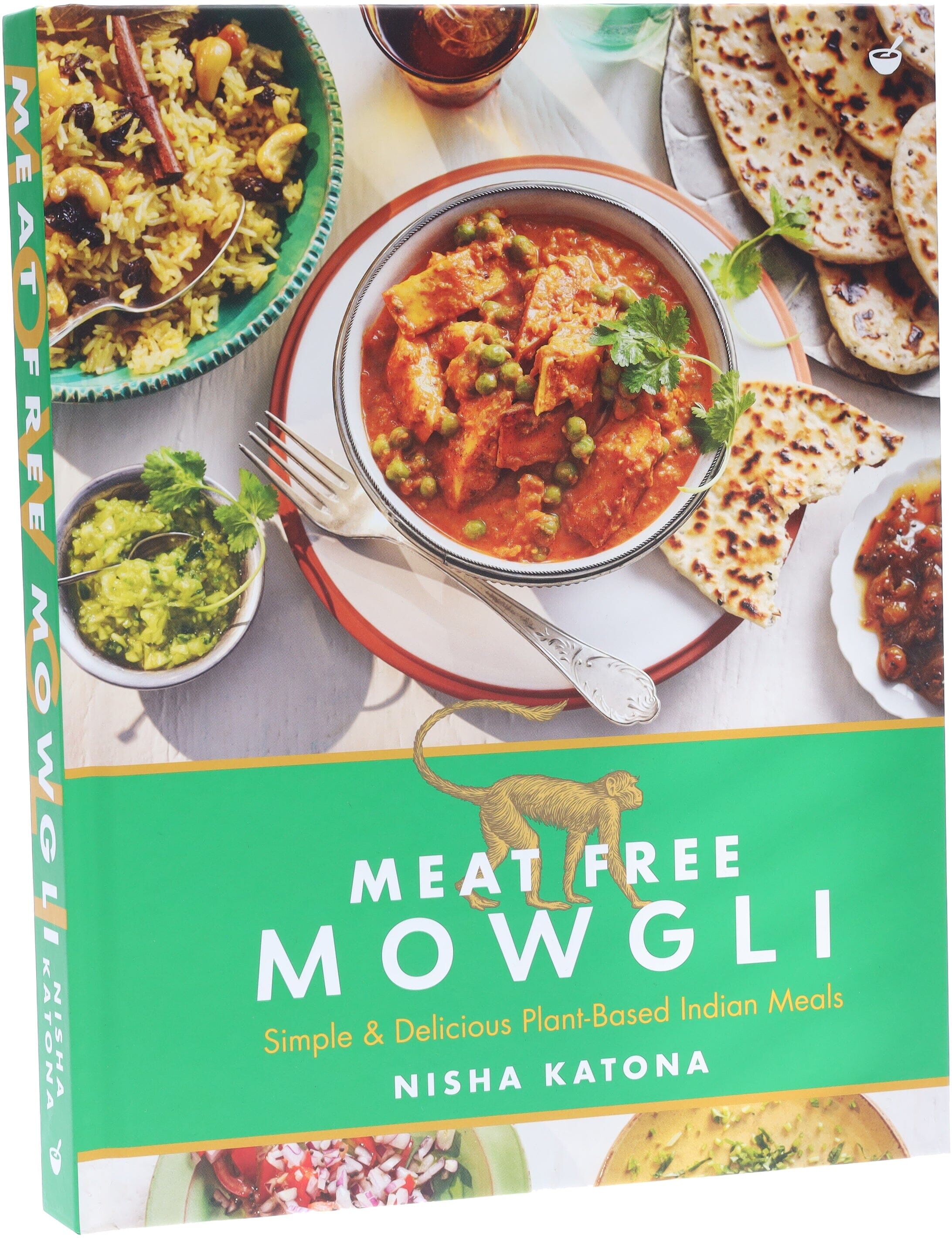
Meat Free Mowgli: Simple & Delicious Plant-Based Indian Meals by Nisha Katona - Non Fiction - Hardback Watkins Media LimitedStar TV chef and restaurant owner Nisha Katona applies her trademark fresh, spice-packed and family-friendly modern Indian culinary style to vegan and veggie food. Environmentalists are calling for us to reduce our meat intake and Indian cuisine, being naturally healthy, flavoursome and meat-free, is fast becoming the go-to cuisine for modern families. Nisha Katona is on a mission to preserve the authentic Indian cooking of her mother and grandmothers, translating it for a Western audience into recipes that are quick and easy to prepare, healthy and super tasty – perfect for today's busy lives. The book is organised by ingredient to be as useful as possible, and all the ingredients are easy to source. Once again, Nisha weaves her magic, conjuring up incredible flavours with just a handful of carefully paired ingredients. Chapter by chapter find out: * What to do with Roots * What to do with Beans * What to do with Squashes * What to do with Brassicas & Leafy Greens * What to do with Lentils & Other Grains *What to do with Fruits * What to do with Eggs and Dairy. There is one vegetarian chapter for eggs and dairy products; otherwise the book is fully vegan. Feature Specification Author Nisha Katona MBE (Founder of Mowgli Street Food Restaurants) Publisher / Imprint Nourish Books (An Imprint of Watkins Media Limited) ISBN-13 9781848994003 SKU / Product Code B2D9400 Format Premium Non-Fiction Illustrated Hardback (Durable Kitchen Binding) Page Count 200 to 224 Pages of Crisp Typographical Grids and Vivid Food Photography Core Philosophy High-velocity, spice-packed Indian dishes prioritizing fridge improvisation and low food waste Key Recipes Featured Quick Angry Tandoori, Mowgli Coleslaw Chicken Bowl, Keema Toasties, Bengali Fish Curry, Indian Fish Finger Sandwiches, Million Dollar Green Dahl Target Audience Home Cooks, Busy Parents, Time-Poor Professionals, and Curry Lovers 2026 Context Key summer lifestyle driver for rapid, fresh family dinners starting next month Nisha Katona MBE is an exceptionally distinguished British chef, food writer, television presenter, and the visionary founder of the multi-award-winning Mowgli Street Food restaurant empire. A former dedicated family law barrister for twenty years, her unique analytical focus and deep understanding of frantic modern household schedules allowed her to build an elite culinary network celebrated for light, clean, authentic regional Indian profile mapping. Published by Nourish Books: an elite commercial lifestyle print under Watkins Media Limited universally revered for its rigorous recipe safety testing, beautiful typographical clarity, and premium print curation: this official hardback edition carries immense institutional authority. In 2026, this text remains the primary volume recommended by independent domestic economy advisers, working-parent networks, and healthy eating advocates across the United Kingdom for its exceptional capacity to combine nutritional balance with high-velocity...11,99 £*Shipping: 2,99 £Secure redirect to the provider
-
Does meat substitute really replace meat?
Meat substitutes can provide a similar texture and taste to meat, making them a viable option for those looking to reduce their meat consumption. However, they may not fully replace the nutritional benefits of meat, as they may lack certain essential nutrients such as complete proteins, iron, and vitamin B12. Additionally, the environmental and ethical implications of meat production are not fully addressed by meat substitutes. While they can be a helpful alternative for some, it's important to consider the overall impact and nutritional value when choosing between meat and meat substitutes. **
-
Should vegan/vegetarian meat be called meat?
The term "meat" traditionally refers to the flesh of animals, so some argue that vegan/vegetarian alternatives should not be labeled as such. However, using the term "meat" for plant-based products helps consumers understand their purpose as substitutes for traditional meat. As long as the labeling is clear and transparent about the ingredients, it can be a helpful way to market these products to a wider audience. Ultimately, the decision on labeling should prioritize consumer understanding and transparency. **
-
Should one call vegan/vegetarian meat "meat"?
The term "meat" traditionally refers to the flesh of animals, so using it to describe plant-based products can be misleading. To avoid confusion and accurately represent the nature of the product, it may be more appropriate to use terms like "plant-based protein" or "meat alternative" to describe vegan/vegetarian meat. This can help consumers make informed choices and understand the differences between animal-derived and plant-based products. **
-
Are there meat scraps in meat salad?
Meat salad typically does not contain meat scraps. Instead, it is usually made with high-quality cuts of meat, such as grilled chicken, steak, or turkey. These meats are typically sliced or diced and then mixed with fresh vegetables, herbs, and a dressing to create a flavorful and satisfying salad. The use of high-quality meat ensures that the salad is both delicious and safe to eat. **
* All prices are inclusive of VAT and, if applicable, plus shipping costs. The offer information is based on the details provided by the respective shop and is updated through automated processes. Real-time updates do not occur, so deviations can occur in individual cases. ** Note: Parts of this content were created by AI.