Buy media-engineering.eu ?
We are moving the project
media-engineering.eu .
Are you interested in purchasing the domain
media-engineering.eu ?
domain@kv-gmbh.de · 0541-91531010
Buy media-engineering.eu ?
How can one learn to become an electronics technician for industrial engineering or automation technology?
To become an electronics technician for industrial engineering or automation technology, one can start by pursuing a relevant educational program, such as an associate degree in electronics engineering technology or industrial automation. These programs typically cover topics such as electrical circuits, industrial control systems, and automation technologies. Additionally, gaining hands-on experience through internships or apprenticeships with companies in the industrial engineering or automation field can provide valuable practical skills. Seeking professional certifications, such as those offered by organizations like the International Society of Automation (ISA) or the Electronics Technicians Association (ETA), can also demonstrate expertise and knowledge in the field. Finally, staying updated with the latest advancements in industrial engineering and automation technology through continuous learning and professional development is essential for a successful career in this field. **
Designer clothes or no-name clothes?
It ultimately depends on personal preference and budget. Designer clothes are often associated with higher quality materials and craftsmanship, as well as unique designs. However, no-name clothes can also be stylish and affordable. Some people prefer the prestige and exclusivity that comes with wearing designer clothes, while others prioritize practicality and value. Ultimately, the most important factor is choosing clothes that make you feel confident and comfortable. **


Similar search terms for No-Industrial-Wall-Clothes
Top-Angebote
Products related to No-Industrial-Wall-Clothes:
-
UNHO Industrial Pipe Clothes Rack Wall Mounted Clothing Rack Wardrobe Storage ClothesIndustrial-style pipe clothing rack, which exudes durable appeals and retro feel, looks absolutely fabulous when installed in any places, allowing you to hang variety of shirts, T-shirts, trousers, suits,heavy coats.152,49 $*Shipping: 0,00 $Secure redirect to the provider
-
No Wall Mounted Clothes RackStable Structure: Heavy duty wall mount clothes rack constructed with thickened MDF plank. Made of highly resistant metal with premium heavy thicken steel tube,ensure strong and stable for long years to use, waterproof and wear-resistant.246,01 $*Shipping: 0,00 $Secure redirect to the provider
-
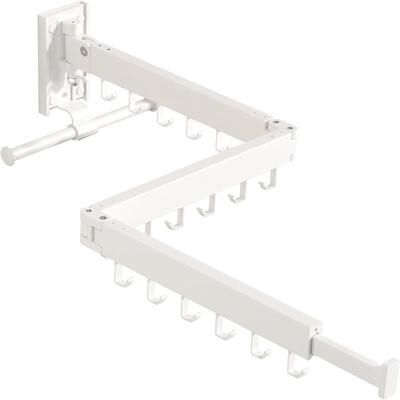
No Wall Mounted Clothes Hanger Rack, Clothes Drying RackCan be folded left and right and up:This three-fold wall-mounted drying rack can better save space for you. It can not only be folded against the wall in the left and right directions, but also can be folded upwards.135,89 $*Shipping: 0,00 $Secure redirect to the provider



-
"Branded clothes or no-name clothes?"
It ultimately depends on personal preference and budget. Branded clothes often come with a higher price tag, but they may offer better quality and unique designs. On the other hand, no-name clothes can be more affordable and still provide good style and functionality. Some people may prioritize the status and prestige associated with branded clothes, while others may prioritize practicality and cost-effectiveness. **
-
How does one switch from an electronics technician for industrial engineering to an electronics technician for automation technology?
To switch from being an electronics technician for industrial engineering to automation technology, one can start by gaining knowledge and skills specific to automation technology through courses, workshops, or certifications. It is important to familiarize oneself with automation systems, PLC programming, robotics, and other relevant technologies. Networking with professionals in the automation industry and seeking opportunities for hands-on experience in automation projects can also be beneficial. Updating one's resume and highlighting any relevant experience or skills related to automation technology will help in transitioning to a new role as an electronics technician for automation technology. **
-
How can one switch from an electronics technician for industrial engineering to an electronics technician for automation technology?
To switch from being an electronics technician for industrial engineering to automation technology, one can start by gaining knowledge and skills specific to automation technology through courses or training programs. It is important to familiarize oneself with automation systems, PLC programming, and control systems. Additionally, gaining hands-on experience in automation technology through internships or on-the-job training can be beneficial. Networking with professionals in the automation technology field and seeking mentorship can also help in making a successful transition. **
-
What is the difference between an electronics technician for industrial engineering and an electronics technician for automation technology?
An electronics technician for industrial engineering typically focuses on maintaining and repairing electronic systems used in various industries, such as manufacturing plants or power plants. They are responsible for ensuring that electronic equipment operates efficiently and safely within an industrial setting. On the other hand, an electronics technician for automation technology specializes in designing, installing, and maintaining automated systems that control machinery and processes. They work with programmable logic controllers (PLCs) and other advanced technologies to optimize production processes and increase efficiency in industrial automation. **


How do you switch from an electronics technician for industrial engineering to an electronics technician for automation technology?
To switch from being an electronics technician for industrial engineering to automation technology, you may need to acquire additional training or certifications specific to automation technology. This could involve taking courses or workshops focused on automation systems, programmable logic controllers (PLCs), robotics, and other relevant technologies. It would also be beneficial to gain practical experience in automation technology through internships or on-the-job training. Networking with professionals in the automation technology field and seeking out job opportunities that align with your new career focus can also help facilitate the transition. **
What is the professional title for someone who works as an electronics technician for industrial engineering or automation technology?
The professional title for someone who works as an electronics technician for industrial engineering or automation technology is typically referred to as an "Automation Technician" or "Industrial Electronics Technician." These professionals are responsible for installing, maintaining, and repairing electronic systems and equipment used in industrial settings to automate processes and improve efficiency. They play a crucial role in ensuring that machinery and systems function properly to meet production goals and quality standards. **
Top-Angebote
Products related to No-Industrial-Wall-Clothes:
-
UNHO Industrial Pipe Clothes Rack Wall Mounted Clothing Rack Wardrobe Storage ClothesIndustrial-style pipe clothing rack, which exudes durable appeals and retro feel, looks absolutely fabulous when installed in any places, allowing you to hang variety of shirts, T-shirts, trousers, suits,heavy coats.152,49 $*Shipping: 0,00 $Secure redirect to the provider
-
How can one learn to become an electronics technician for industrial engineering or automation technology?
To become an electronics technician for industrial engineering or automation technology, one can start by pursuing a relevant educational program, such as an associate degree in electronics engineering technology or industrial automation. These programs typically cover topics such as electrical circuits, industrial control systems, and automation technologies. Additionally, gaining hands-on experience through internships or apprenticeships with companies in the industrial engineering or automation field can provide valuable practical skills. Seeking professional certifications, such as those offered by organizations like the International Society of Automation (ISA) or the Electronics Technicians Association (ETA), can also demonstrate expertise and knowledge in the field. Finally, staying updated with the latest advancements in industrial engineering and automation technology through continuous learning and professional development is essential for a successful career in this field. **
-
Designer clothes or no-name clothes?
It ultimately depends on personal preference and budget. Designer clothes are often associated with higher quality materials and craftsmanship, as well as unique designs. However, no-name clothes can also be stylish and affordable. Some people prefer the prestige and exclusivity that comes with wearing designer clothes, while others prioritize practicality and value. Ultimately, the most important factor is choosing clothes that make you feel confident and comfortable. **
-
"Branded clothes or no-name clothes?"
It ultimately depends on personal preference and budget. Branded clothes often come with a higher price tag, but they may offer better quality and unique designs. On the other hand, no-name clothes can be more affordable and still provide good style and functionality. Some people may prioritize the status and prestige associated with branded clothes, while others may prioritize practicality and cost-effectiveness. **
-
How does one switch from an electronics technician for industrial engineering to an electronics technician for automation technology?
To switch from being an electronics technician for industrial engineering to automation technology, one can start by gaining knowledge and skills specific to automation technology through courses, workshops, or certifications. It is important to familiarize oneself with automation systems, PLC programming, robotics, and other relevant technologies. Networking with professionals in the automation industry and seeking opportunities for hands-on experience in automation projects can also be beneficial. Updating one's resume and highlighting any relevant experience or skills related to automation technology will help in transitioning to a new role as an electronics technician for automation technology. **
Similar search terms for No-Industrial-Wall-Clothes
-
No Wall Mounted Clothes RackStable Structure: Heavy duty wall mount clothes rack constructed with thickened MDF plank. Made of highly resistant metal with premium heavy thicken steel tube,ensure strong and stable for long years to use, waterproof and wear-resistant.246,01 $*Shipping: 0,00 $Secure redirect to the provider
-
No Wall Mounted Clothes Hanger Rack, Clothes Drying RackCan be folded left and right and up:This three-fold wall-mounted drying rack can better save space for you. It can not only be folded against the wall in the left and right directions, but also can be folded upwards.135,89 $*Shipping: 0,00 $Secure redirect to the provider
-
No "Industrial Pipe Clothes Rack - 9.6""D x 53.7""W x 2.56""H"INDUSTRIAL PIPE STYLE- Rustic clothing rack could be perfect match decorative vintage style to your home. Retro heavy duty pipe steampunk style, show off your amazing taste with its french style design.95,32 $*Shipping: 0,00 $Secure redirect to the provider
-
How can one switch from an electronics technician for industrial engineering to an electronics technician for automation technology?
To switch from being an electronics technician for industrial engineering to automation technology, one can start by gaining knowledge and skills specific to automation technology through courses or training programs. It is important to familiarize oneself with automation systems, PLC programming, and control systems. Additionally, gaining hands-on experience in automation technology through internships or on-the-job training can be beneficial. Networking with professionals in the automation technology field and seeking mentorship can also help in making a successful transition. **
-
What is the difference between an electronics technician for industrial engineering and an electronics technician for automation technology?
An electronics technician for industrial engineering typically focuses on maintaining and repairing electronic systems used in various industries, such as manufacturing plants or power plants. They are responsible for ensuring that electronic equipment operates efficiently and safely within an industrial setting. On the other hand, an electronics technician for automation technology specializes in designing, installing, and maintaining automated systems that control machinery and processes. They work with programmable logic controllers (PLCs) and other advanced technologies to optimize production processes and increase efficiency in industrial automation. **
-
How do you switch from an electronics technician for industrial engineering to an electronics technician for automation technology?
To switch from being an electronics technician for industrial engineering to automation technology, you may need to acquire additional training or certifications specific to automation technology. This could involve taking courses or workshops focused on automation systems, programmable logic controllers (PLCs), robotics, and other relevant technologies. It would also be beneficial to gain practical experience in automation technology through internships or on-the-job training. Networking with professionals in the automation technology field and seeking out job opportunities that align with your new career focus can also help facilitate the transition. **
-
What is the professional title for someone who works as an electronics technician for industrial engineering or automation technology?
The professional title for someone who works as an electronics technician for industrial engineering or automation technology is typically referred to as an "Automation Technician" or "Industrial Electronics Technician." These professionals are responsible for installing, maintaining, and repairing electronic systems and equipment used in industrial settings to automate processes and improve efficiency. They play a crucial role in ensuring that machinery and systems function properly to meet production goals and quality standards. **
* All prices are inclusive of VAT and, if applicable, plus shipping costs. The offer information is based on the details provided by the respective shop and is updated through automated processes. Real-time updates do not occur, so deviations can occur in individual cases. ** Note: Parts of this content were created by AI.