Buy media-engineering.eu ?
We are moving the project
media-engineering.eu .
Are you interested in purchasing the domain
media-engineering.eu ?
domain@kv-gmbh.de · 0541-91531010
Buy media-engineering.eu ?
Which sorting algorithms are there?
There are several common sorting algorithms, including bubble sort, selection sort, insertion sort, merge sort, quick sort, and heap sort. Each algorithm has its own advantages and disadvantages in terms of time complexity, space complexity, and stability. The choice of sorting algorithm depends on the specific requirements of the problem at hand. **
How do logarithmic sorting algorithms work?
Logarithmic sorting algorithms work by dividing the input data into smaller subgroups and recursively sorting these subgroups. One common example is the merge sort algorithm, which divides the input list into two halves, sorts each half separately, and then merges them back together in sorted order. By repeatedly dividing the data and merging the sorted subgroups, logarithmic sorting algorithms achieve a time complexity of O(n log n), making them efficient for large datasets. **

Similar search terms for Sorting
Top-Angebote
Products related to Sorting:
-
Perfect Picks Market Apple Sorting Toy, Number & Color Sorting Toy For Baby Toddlers, Storage Stacking Toy Apple Sorting Toy, Number & Color Sorting Toy For Baby Toddlers, Storage Stacking ToyFun Learning Experience for Toddlers The Apple Sorting Toy is an engaging and educational tool designed to help your toddler develop essential cognitive skills. Featuring vibrant colors and a stacking design, this toy makes learning fun and...51,97 $*Shipping: 0,00 $Secure redirect to the provider
-
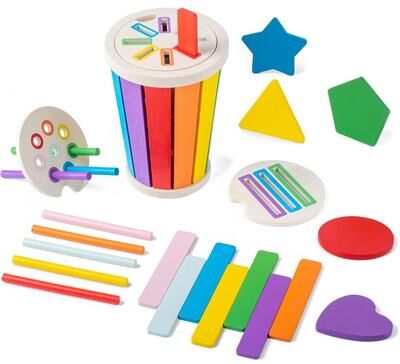
Youfap Market Montessori Wooden Shape Sorting Toy For Toddlers, Color Matching & Fine Motor Skills Development aGive your toddler a head start in learning with this Montessori wooden shape sorting toy. Designed for young learners, it helps build fine motor skills through colorful and interactive matching games. Perfect for kids ages 3 and up, this educational...64,97 $*Shipping: 0,00 $Secure redirect to the provider
-
Inspire Select Montessori Sensory Sorting Toy For Babies 012 Months Color Learning & Fine Motor Development simpleGive your little one a fun and meaningful way to explore the world through play. This Montessori toy for babies is thoughtfully designed to support early learning with colorful sorting blocks that stimulate curiosity, focus, and coordination....64,93 $*Shipping: 0,00 $Secure redirect to the provider
-
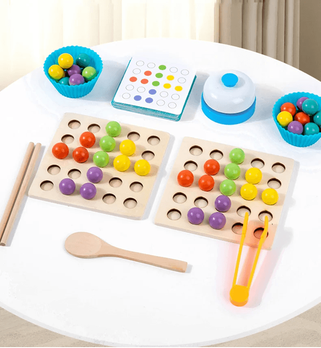
Uplifted Finds Montessori Wooden Clip Beads Color Sorting Toy Montessori Wooden Clip Beads Color Sorting ToyPromote cognitive development and dexterity with this Wooden Clip Beads Toy, a specialized Montessori tool designed to act as an efficient tool for fine motor training and color recognition. Specifically engineered with a natural wood framework and...90,97 $*Shipping: 0,00 $Secure redirect to the provider



-
How do sorting algorithms work in computer science?
Sorting algorithms in computer science work by rearranging a collection of items into a specified order. They achieve this by comparing elements and swapping them based on a specific criteria, such as numerical value or alphabetical order. There are various sorting algorithms, each with its own approach and efficiency, such as bubble sort, merge sort, quick sort, and insertion sort. The choice of sorting algorithm depends on the size of the data set, the nature of the data, and the desired time and space complexity. **
-
Can someone help me with how to apply sorting algorithms?
Yes, of course! To apply sorting algorithms, you first need to understand the specific algorithm you want to use, such as bubble sort, quicksort, or merge sort. Next, you need to implement the algorithm in your preferred programming language, making sure to handle edge cases and optimize the code for efficiency. Finally, you can test the sorting algorithm with different input data to ensure it is working correctly. There are also many online resources, tutorials, and courses available to help you learn and apply sorting algorithms effectively. **
-
What are the differences in sorting algorithms in lists and arrays?
The main difference in sorting algorithms for lists and arrays is the way they access and manipulate elements. Lists are typically implemented using linked data structures, which means that accessing elements by index can be slower compared to arrays. This affects the performance of sorting algorithms, as some algorithms rely heavily on random access to elements. Additionally, the memory layout of arrays allows for more efficient access to elements, which can impact the performance of sorting algorithms. Overall, the differences in data structure and memory layout between lists and arrays can lead to variations in the efficiency and implementation of sorting algorithms. **
-
What is the formula symbol for the runtime of sorting algorithms?
The formula symbol for the runtime of sorting algorithms is typically represented using Big O notation. This notation is used to describe the upper bound of the algorithm's time complexity in terms of the input size. For example, a sorting algorithm with a time complexity of O(n^2) means that its runtime grows quadratically with the size of the input. This notation helps to compare and analyze the efficiency of different sorting algorithms. **

Why is the Selection Sort considered one of the slower sorting algorithms?
The Selection Sort is considered one of the slower sorting algorithms because it has a time complexity of O(n^2), meaning its performance decreases significantly as the number of elements to be sorted increases. This is because the algorithm repeatedly searches for the smallest (or largest) element in the unsorted portion of the array and swaps it with the first unsorted element. This process involves a large number of comparisons and swaps, making it inefficient for large datasets. Additionally, the Selection Sort does not take advantage of any pre-existing order in the input, further contributing to its slower performance compared to more efficient sorting algorithms. **
How do you justify the application of sorting algorithms to given examples?
Sorting algorithms are justified for application to given examples because they are essential for organizing and arranging data in a specific order, making it easier to search, retrieve, and analyze. For example, in a database, sorting algorithms can be used to arrange customer information in alphabetical order for easy access. In addition, sorting algorithms are crucial for optimizing the performance of various applications, such as search engines, where sorted data can be quickly and efficiently processed. Overall, the application of sorting algorithms is justified as they provide a systematic and efficient way to manage and manipulate data in various real-world scenarios. **
Top-Angebote
Products related to Sorting:
-
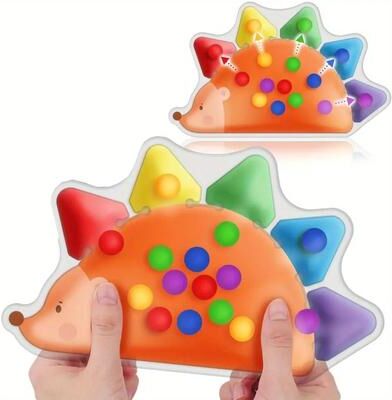
Playful Picks Montessori Hedgehog Color Sorting Educational Toddler Toy For Fine Motor Skills Development Montessori Hedgehog Color Sorting Educational Toddler Toy For Fine Motor Skills DevelopmentTurn early learning into a joyful daily adventure with a toy designed to spark curiosity and growth. The Montessori hedgehog toy is thoughtfully created for toddlers aged 13, helping them explore colors, counting, and coordination through handson...24,97 $*Shipping: 0,00 $Secure redirect to the provider
-
Inspire Essentials Montessori Wooden Bead Sorting Toy With Clip For Fine Motor Skill Development Montessori Wooden Bead Sorting Toy With Clip For Fine Motor Skill DevelopmentEncourage learning through play with this Montessori wooden toy designed to strengthen fine motor skills, color recognition, and hand eye coordination. Children use the clip to pick up and sort colorful beads, making the activity both educational...52,98 $*Shipping: 0,00 $Secure redirect to the provider
-
Perfect Picks Market Apple Sorting Toy, Number & Color Sorting Toy For Baby Toddlers, Storage Stacking Toy Apple Sorting Toy, Number & Color Sorting Toy For Baby Toddlers, Storage Stacking ToyFun Learning Experience for Toddlers The Apple Sorting Toy is an engaging and educational tool designed to help your toddler develop essential cognitive skills. Featuring vibrant colors and a stacking design, this toy makes learning fun and...51,97 $*Shipping: 0,00 $Secure redirect to the provider
-
Youfap Market Montessori Wooden Shape Sorting Toy For Toddlers, Color Matching & Fine Motor Skills Development aGive your toddler a head start in learning with this Montessori wooden shape sorting toy. Designed for young learners, it helps build fine motor skills through colorful and interactive matching games. Perfect for kids ages 3 and up, this educational...64,97 $*Shipping: 0,00 $Secure redirect to the provider
-
Which sorting algorithms are there?
There are several common sorting algorithms, including bubble sort, selection sort, insertion sort, merge sort, quick sort, and heap sort. Each algorithm has its own advantages and disadvantages in terms of time complexity, space complexity, and stability. The choice of sorting algorithm depends on the specific requirements of the problem at hand. **
-
How do logarithmic sorting algorithms work?
Logarithmic sorting algorithms work by dividing the input data into smaller subgroups and recursively sorting these subgroups. One common example is the merge sort algorithm, which divides the input list into two halves, sorts each half separately, and then merges them back together in sorted order. By repeatedly dividing the data and merging the sorted subgroups, logarithmic sorting algorithms achieve a time complexity of O(n log n), making them efficient for large datasets. **
-
How do sorting algorithms work in computer science?
Sorting algorithms in computer science work by rearranging a collection of items into a specified order. They achieve this by comparing elements and swapping them based on a specific criteria, such as numerical value or alphabetical order. There are various sorting algorithms, each with its own approach and efficiency, such as bubble sort, merge sort, quick sort, and insertion sort. The choice of sorting algorithm depends on the size of the data set, the nature of the data, and the desired time and space complexity. **
-
Can someone help me with how to apply sorting algorithms?
Yes, of course! To apply sorting algorithms, you first need to understand the specific algorithm you want to use, such as bubble sort, quicksort, or merge sort. Next, you need to implement the algorithm in your preferred programming language, making sure to handle edge cases and optimize the code for efficiency. Finally, you can test the sorting algorithm with different input data to ensure it is working correctly. There are also many online resources, tutorials, and courses available to help you learn and apply sorting algorithms effectively. **
Similar search terms for Sorting
-
Inspire Select Montessori Sensory Sorting Toy For Babies 012 Months Color Learning & Fine Motor Development simpleGive your little one a fun and meaningful way to explore the world through play. This Montessori toy for babies is thoughtfully designed to support early learning with colorful sorting blocks that stimulate curiosity, focus, and coordination....64,93 $*Shipping: 0,00 $Secure redirect to the provider
-
Uplifted Finds Montessori Wooden Clip Beads Color Sorting Toy Montessori Wooden Clip Beads Color Sorting ToyPromote cognitive development and dexterity with this Wooden Clip Beads Toy, a specialized Montessori tool designed to act as an efficient tool for fine motor training and color recognition. Specifically engineered with a natural wood framework and...90,97 $*Shipping: 0,00 $Secure redirect to the provider
-
Uplift Treasures Montessori Color Sorting Sensory Toy For Toddlers Montessori Color Sorting Sensory Toy For ToddlersProduct Description: Make learning fun and interactive with this colorful Montessori sensory sorting toy designed to develop fine motor skills, color recognition, and handeye coordination. Perfect for toddlers and preschoolers, it encourages early...47,97 $*Shipping: 0,00 $Secure redirect to the provider
-
Inspire Essentials Montessori Color Sorting Sensory Toy For Toddlers Montessori Color Sorting Sensory Toy For ToddlersMake learning fun engaging and hands on with this interactive color sorting toy designed to help toddlers develop focus coordination and early learning skills through play. Featuring bright colorful pieces and easy matching activities this...34,98 $*Shipping: 0,00 $Secure redirect to the provider
-
What are the differences in sorting algorithms in lists and arrays?
The main difference in sorting algorithms for lists and arrays is the way they access and manipulate elements. Lists are typically implemented using linked data structures, which means that accessing elements by index can be slower compared to arrays. This affects the performance of sorting algorithms, as some algorithms rely heavily on random access to elements. Additionally, the memory layout of arrays allows for more efficient access to elements, which can impact the performance of sorting algorithms. Overall, the differences in data structure and memory layout between lists and arrays can lead to variations in the efficiency and implementation of sorting algorithms. **
-
What is the formula symbol for the runtime of sorting algorithms?
The formula symbol for the runtime of sorting algorithms is typically represented using Big O notation. This notation is used to describe the upper bound of the algorithm's time complexity in terms of the input size. For example, a sorting algorithm with a time complexity of O(n^2) means that its runtime grows quadratically with the size of the input. This notation helps to compare and analyze the efficiency of different sorting algorithms. **
-
Why is the Selection Sort considered one of the slower sorting algorithms?
The Selection Sort is considered one of the slower sorting algorithms because it has a time complexity of O(n^2), meaning its performance decreases significantly as the number of elements to be sorted increases. This is because the algorithm repeatedly searches for the smallest (or largest) element in the unsorted portion of the array and swaps it with the first unsorted element. This process involves a large number of comparisons and swaps, making it inefficient for large datasets. Additionally, the Selection Sort does not take advantage of any pre-existing order in the input, further contributing to its slower performance compared to more efficient sorting algorithms. **
-
How do you justify the application of sorting algorithms to given examples?
Sorting algorithms are justified for application to given examples because they are essential for organizing and arranging data in a specific order, making it easier to search, retrieve, and analyze. For example, in a database, sorting algorithms can be used to arrange customer information in alphabetical order for easy access. In addition, sorting algorithms are crucial for optimizing the performance of various applications, such as search engines, where sorted data can be quickly and efficiently processed. Overall, the application of sorting algorithms is justified as they provide a systematic and efficient way to manage and manipulate data in various real-world scenarios. **
* All prices are inclusive of VAT and, if applicable, plus shipping costs. The offer information is based on the details provided by the respective shop and is updated through automated processes. Real-time updates do not occur, so deviations can occur in individual cases. ** Note: Parts of this content were created by AI.