Buy media-engineering.eu ?
We are moving the project
media-engineering.eu .
Are you interested in purchasing the domain
media-engineering.eu ?
domain@kv-gmbh.de · 0541-91531010
Buy media-engineering.eu ?
How difficult is structural engineering in architecture?
Structural engineering in architecture can be challenging as it requires a deep understanding of both the architectural design and the structural integrity of a building. Engineers must ensure that the building can support its own weight, withstand environmental factors, and meet safety regulations. It involves complex calculations, problem-solving, and coordination with architects and other professionals. However, with the right expertise and collaboration, structural engineering can enhance the functionality and aesthetics of a building. **
What are permanent loads in structural engineering?
Permanent loads in structural engineering refer to the constant and unchanging forces that act on a structure throughout its lifespan. These loads include the weight of the structure itself, as well as any fixed elements such as walls, floors, and roofs. Permanent loads are essential to consider in the design of a structure as they have a significant impact on its stability and overall performance. Examples of permanent loads include dead loads, such as the weight of the building materials, and live loads, such as the weight of furniture or equipment. **

Similar search terms for Structural
Top-Angebote
Products related to Structural:
-
Geocel 4600 Hybrid Structural Adhesive Sealant (Carton of 24) WhiteThe Geocel 4600 Hybrid Structural Adhesive Sealant is a multipurpose sealant that creates a durable waterproof seal on a variety of substrates. This versatile adhesive can be used for vertical and horizontal applications in damp or dry conditions....348,69 $*Shipping: 0,00 $Secure redirect to the provider
-
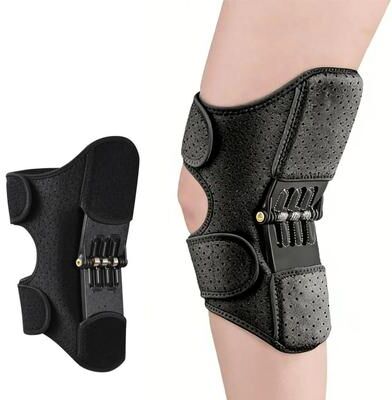
Uplift Essentials Structural Joint Support Knee Booster & Power Spring Stabilizer blackLighten your physical load, protect your joints during deep squats, and bring absolute energy back to your daily strides with a heavyduty mechanical power spring knee booster. The Joint Support Knee Pad Booster replaces basic elastic sleeves that...56,97 $*Shipping: 0,00 $Secure redirect to the provider
-
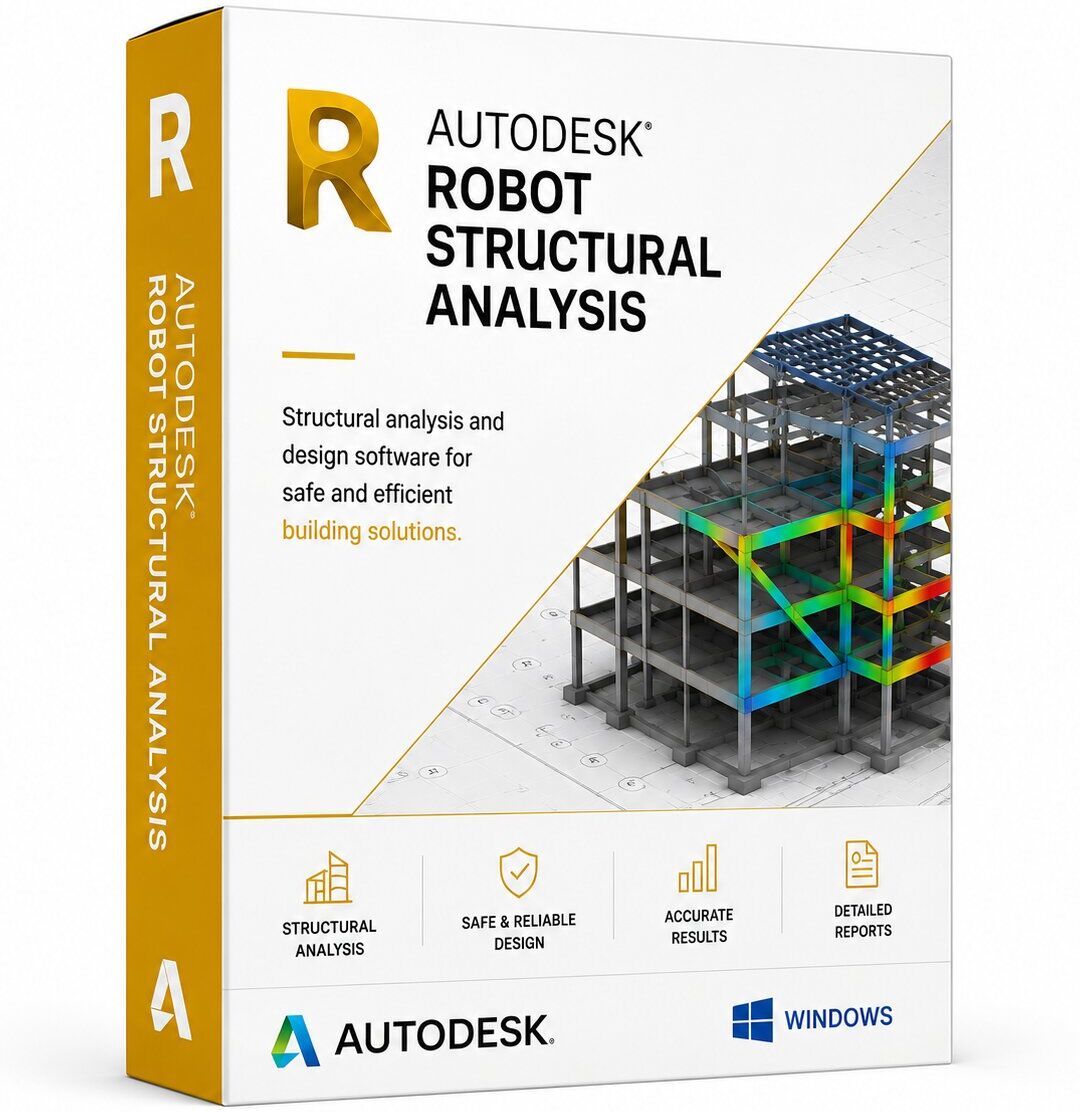
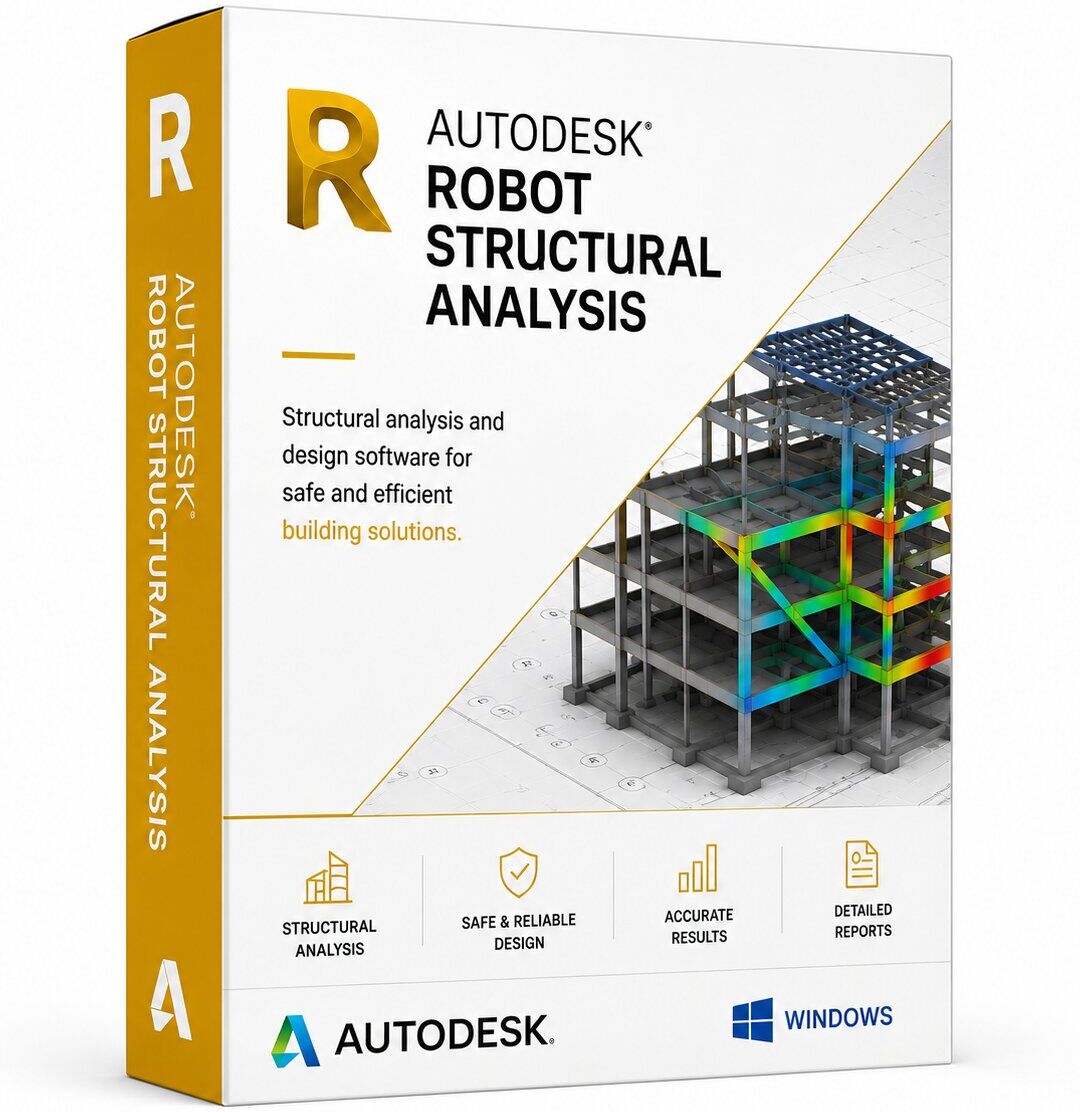
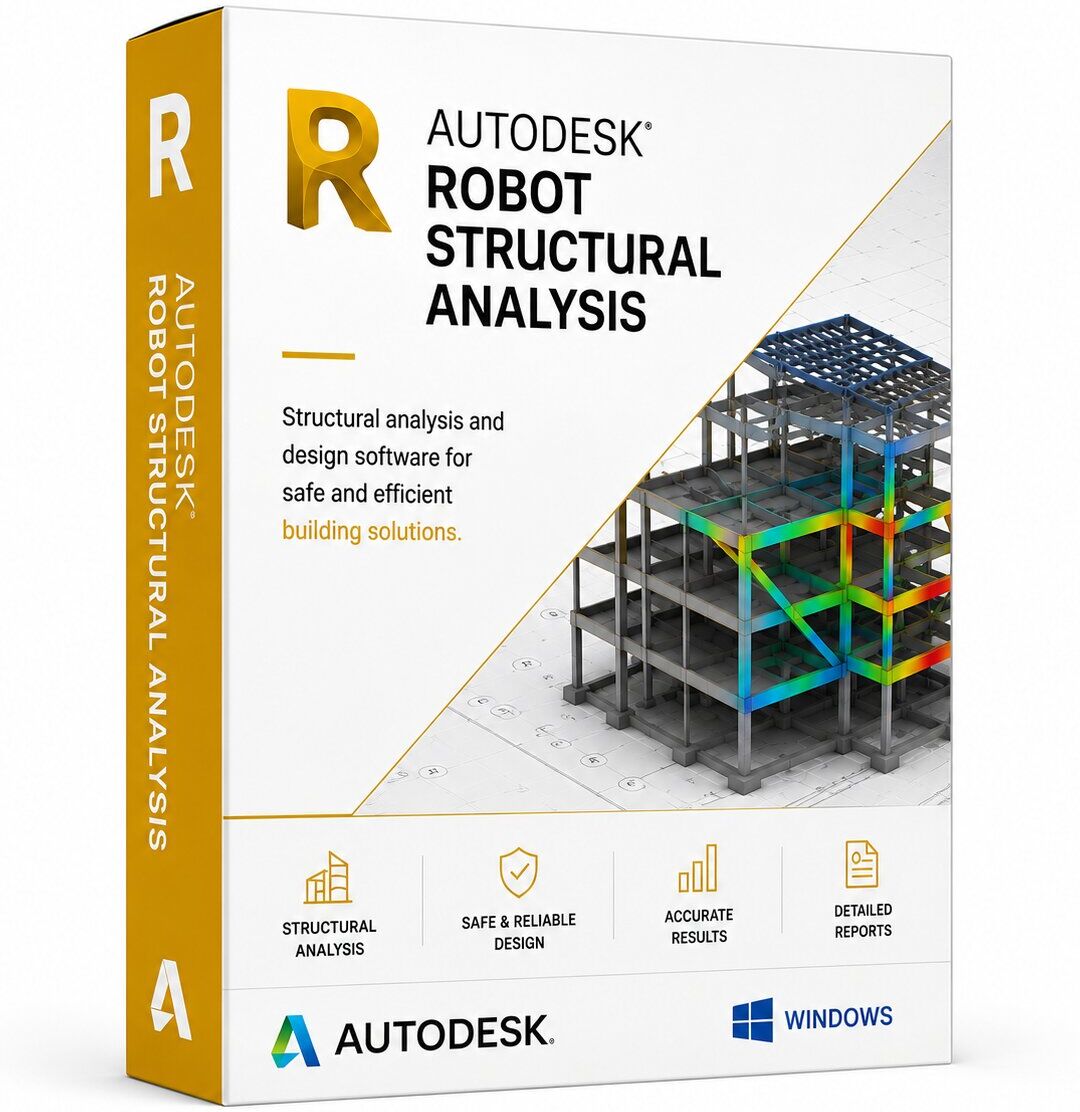
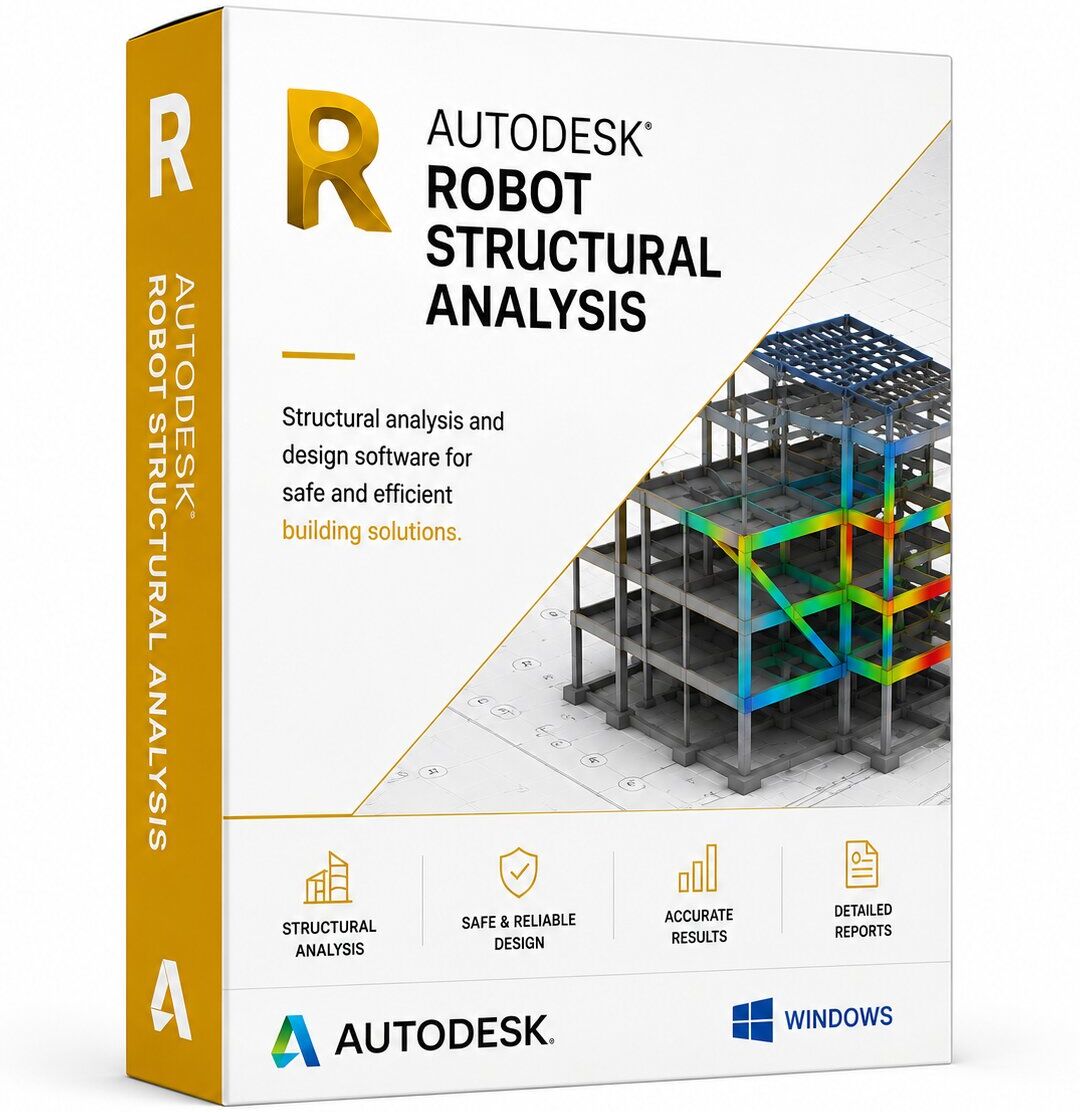
AUTODESK ROBOT STRUCTURAL ANALYSIS 2025AUTODESK ROBOT STRUCTURAL ANALYSIS LIZENZ Original und garantiert von Nextdigitalkey.com Autodesk Robot Structural Analysis Professional ist eine leistungsstarke FEM-Software (Finite-Elemente-Methode) für die statische und dynamische Analyse von Tragwerken. Sie wird von Statikern und Bauingenieuren weltweit zur präzisen Berechnung und Dimensionierung von Gebäuden und Infrastrukturen eingesetzt. Mit Robot Structural Analysis können Sie: - Statische und dynamische Berechnungen für beliebige Tragwerkstypen durchführen - Stahl-, Beton- und Holzstrukturen nach internationalen Normen (EN, AISC, etc.) bemessen - Nahtlos mit Revit und AutoCAD zusammenarbeiten – dank bidirektionaler BIM-Integration - Erdbeben-, Wind- und Schneelasten nach aktuellen Normen automatisch generieren - Detaillierte Bemessungsberichte und Werkstattzeichnungen exportieren Warum Robot Structural Analysis? Robot bietet eine vollständige Lösung für Tragwerksplanung – von der Modellierung bis zur Norm-konformen Bemessung – und spart durch die enge Revit-Integration erheblich Zeit bei Planungsänderungen. Lizenzinformationen: - Zugang: Vollständig - Sprache: Mehrsprachig - Geräte: 1 - Betriebssystem: Windows - Lizenztyp: Dauerhaft (ohne Ablaufdatum) Was Sie nach dem Kauf erhalten: - Offizieller Produktschlüssel - Downloadlink zur offiziellen Autodesk-Webseite - Installationsanleitung auf Deutsch Download: Der Download erfolgt direkt über die offizielle Autodesk-Webseite. Preis und Legalität: Unsere Lizenzen stammen aus dem Wiederverkauf entbundener Einzelhandelslizenzen gemäß dem Urteil des Europäischen Gerichtshofs (C-128/2011). Alle Lizenzen sind original, digital (ESD), sofort verfügbar und beliebig oft auf demselben Gerät installierbar. Support: Technischer Support rund um die Uhr per Fernzugriff – auch an Wochenenden und Feiertagen verfügbar.69,95 £*Shipping: 0,00 £Secure redirect to the provider


-
What is the meaning of structural engineering?
Structural engineering is a branch of civil engineering that focuses on the design and analysis of structures such as buildings, bridges, and dams. Structural engineers ensure that these structures are able to withstand the forces and loads they will be subjected to, while also considering factors such as safety, durability, and cost-effectiveness. They use principles of physics and mathematics to determine the best materials and construction methods to achieve the desired structural integrity. Overall, the goal of structural engineering is to create safe, stable, and efficient structures that meet the needs of society. **
-
What is the difference between civil engineering and structural engineering?
Civil engineering is a broad field that deals with the design, construction, and maintenance of infrastructure projects such as roads, bridges, and water systems. Structural engineering, on the other hand, is a specialized branch of civil engineering that focuses specifically on the design and analysis of structures to ensure they can withstand the forces they will encounter. While civil engineers may work on a variety of projects, structural engineers typically focus on the structural integrity and stability of buildings and bridges. **
-
Do metal fabricators for structural engineering enjoy their job?
Many metal fabricators for structural engineering do enjoy their job. They often find satisfaction in working with their hands and seeing their creations come to life. Additionally, they may enjoy the challenge of working on complex and innovative projects, as well as the opportunity to collaborate with engineers and architects to bring their designs to fruition. Overall, metal fabricators for structural engineering can find fulfillment in their work and take pride in the impact their creations have on the built environment. **
-
What is the difference between steels for structural engineering and mechanical engineering?
The main difference between steels for structural engineering and mechanical engineering lies in their intended applications. Steels for structural engineering are designed to provide strength and stability to large structures such as buildings, bridges, and towers. They are typically chosen for their high load-bearing capacity and resistance to external forces. On the other hand, steels for mechanical engineering are tailored to meet specific performance requirements in machinery and equipment, such as hardness, toughness, and wear resistance. These steels are often used in the manufacturing of components like gears, shafts, and bearings. Overall, the difference lies in the specific properties and performance characteristics required for the intended application in each field. **
What are load-bearing wall architecture or structural engineering questions?
Load-bearing wall architecture or structural engineering questions typically revolve around the design and construction of buildings that rely on load-bearing walls to support the structure. These questions may include inquiries about the materials and techniques used to ensure the walls can bear the weight of the building, how to properly distribute loads to prevent structural failure, and how to incorporate openings such as doors and windows without compromising the integrity of the walls. Additionally, questions may arise about the importance of proper foundation support for load-bearing walls and how to assess the structural stability of existing load-bearing walls in older buildings. **
What is needed for the structural analysis of the basement?
For the structural analysis of the basement, several key components are needed. First, a thorough understanding of the soil conditions and groundwater levels is essential to assess the potential for settlement and water infiltration. Second, detailed plans and measurements of the existing basement structure, including the foundation walls, floor slab, and any supporting columns or beams, are necessary to accurately model the behavior of the basement under various loads. Additionally, knowledge of the building codes and regulations pertaining to basement construction is crucial to ensure that the analysis meets the required safety standards. Finally, access to advanced structural analysis software and experienced engineers or consultants is needed to perform the complex calculations and simulations necessary to evaluate the stability and performance of the basement structure. **
Top-Angebote
Products related to Structural:
-
AUTODESK ROBOT STRUCTURAL ANALYSIS 2026AUTODESK ROBOT STRUCTURAL ANALYSIS LIZENZ Original und garantiert von Nextdigitalkey.com Autodesk Robot Structural Analysis Professional ist eine leistungsstarke FEM-Software (Finite-Elemente-Methode) für die statische und dynamische Analyse von Tragwerken. Sie wird von Statikern und Bauingenieuren weltweit zur präzisen Berechnung und Dimensionierung von Gebäuden und Infrastrukturen eingesetzt. Mit Robot Structural Analysis können Sie: - Statische und dynamische Berechnungen für beliebige Tragwerkstypen durchführen - Stahl-, Beton- und Holzstrukturen nach internationalen Normen (EN, AISC, etc.) bemessen - Nahtlos mit Revit und AutoCAD zusammenarbeiten – dank bidirektionaler BIM-Integration - Erdbeben-, Wind- und Schneelasten nach aktuellen Normen automatisch generieren - Detaillierte Bemessungsberichte und Werkstattzeichnungen exportieren Warum Robot Structural Analysis? Robot bietet eine vollständige Lösung für Tragwerksplanung – von der Modellierung bis zur Norm-konformen Bemessung – und spart durch die enge Revit-Integration erheblich Zeit bei Planungsänderungen. Lizenzinformationen: - Zugang: Vollständig - Sprache: Mehrsprachig - Geräte: 1 - Betriebssystem: Windows - Lizenztyp: Dauerhaft (ohne Ablaufdatum) Was Sie nach dem Kauf erhalten: - Offizieller Produktschlüssel - Downloadlink zur offiziellen Autodesk-Webseite - Installationsanleitung auf Deutsch Download: Der Download erfolgt direkt über die offizielle Autodesk-Webseite. Preis und Legalität: Unsere Lizenzen stammen aus dem Wiederverkauf entbundener Einzelhandelslizenzen gemäß dem Urteil des Europäischen Gerichtshofs (C-128/2011). Alle Lizenzen sind original, digital (ESD), sofort verfügbar und beliebig oft auf demselben Gerät installierbar. Support: Technischer Support rund um die Uhr per Fernzugriff – auch an Wochenenden und Feiertagen verfügbar.89,95 £*Shipping: 0,00 £Secure redirect to the provider
-
Uplift Essentials HEMA FREE Structural Builder In A Bottle HEMA FREE Structural Builder In A BottleAchieve salonquality strength and length with a formula specifically designed for sensitive skin and structural integrity. This HEMAFREE builder in a bottle is a highperformance hard gel engineered for modelling and extending nails without the...51,97 $*Shipping: 0,00 $Secure redirect to the provider
-
Geocel 4600 Hybrid Structural Adhesive Sealant (Carton of 24) WhiteThe Geocel 4600 Hybrid Structural Adhesive Sealant is a multipurpose sealant that creates a durable waterproof seal on a variety of substrates. This versatile adhesive can be used for vertical and horizontal applications in damp or dry conditions....348,69 $*Shipping: 0,00 $Secure redirect to the provider
-
Uplift Essentials Structural Joint Support Knee Booster & Power Spring Stabilizer blackLighten your physical load, protect your joints during deep squats, and bring absolute energy back to your daily strides with a heavyduty mechanical power spring knee booster. The Joint Support Knee Pad Booster replaces basic elastic sleeves that...56,97 $*Shipping: 0,00 $Secure redirect to the provider
-
How difficult is structural engineering in architecture?
Structural engineering in architecture can be challenging as it requires a deep understanding of both the architectural design and the structural integrity of a building. Engineers must ensure that the building can support its own weight, withstand environmental factors, and meet safety regulations. It involves complex calculations, problem-solving, and coordination with architects and other professionals. However, with the right expertise and collaboration, structural engineering can enhance the functionality and aesthetics of a building. **
-
What are permanent loads in structural engineering?
Permanent loads in structural engineering refer to the constant and unchanging forces that act on a structure throughout its lifespan. These loads include the weight of the structure itself, as well as any fixed elements such as walls, floors, and roofs. Permanent loads are essential to consider in the design of a structure as they have a significant impact on its stability and overall performance. Examples of permanent loads include dead loads, such as the weight of the building materials, and live loads, such as the weight of furniture or equipment. **
-
What is the meaning of structural engineering?
Structural engineering is a branch of civil engineering that focuses on the design and analysis of structures such as buildings, bridges, and dams. Structural engineers ensure that these structures are able to withstand the forces and loads they will be subjected to, while also considering factors such as safety, durability, and cost-effectiveness. They use principles of physics and mathematics to determine the best materials and construction methods to achieve the desired structural integrity. Overall, the goal of structural engineering is to create safe, stable, and efficient structures that meet the needs of society. **
-
What is the difference between civil engineering and structural engineering?
Civil engineering is a broad field that deals with the design, construction, and maintenance of infrastructure projects such as roads, bridges, and water systems. Structural engineering, on the other hand, is a specialized branch of civil engineering that focuses specifically on the design and analysis of structures to ensure they can withstand the forces they will encounter. While civil engineers may work on a variety of projects, structural engineers typically focus on the structural integrity and stability of buildings and bridges. **
Similar search terms for Structural
-
AUTODESK ROBOT STRUCTURAL ANALYSIS 2025AUTODESK ROBOT STRUCTURAL ANALYSIS LIZENZ Original und garantiert von Nextdigitalkey.com Autodesk Robot Structural Analysis Professional ist eine leistungsstarke FEM-Software (Finite-Elemente-Methode) für die statische und dynamische Analyse von Tragwerken. Sie wird von Statikern und Bauingenieuren weltweit zur präzisen Berechnung und Dimensionierung von Gebäuden und Infrastrukturen eingesetzt. Mit Robot Structural Analysis können Sie: - Statische und dynamische Berechnungen für beliebige Tragwerkstypen durchführen - Stahl-, Beton- und Holzstrukturen nach internationalen Normen (EN, AISC, etc.) bemessen - Nahtlos mit Revit und AutoCAD zusammenarbeiten – dank bidirektionaler BIM-Integration - Erdbeben-, Wind- und Schneelasten nach aktuellen Normen automatisch generieren - Detaillierte Bemessungsberichte und Werkstattzeichnungen exportieren Warum Robot Structural Analysis? Robot bietet eine vollständige Lösung für Tragwerksplanung – von der Modellierung bis zur Norm-konformen Bemessung – und spart durch die enge Revit-Integration erheblich Zeit bei Planungsänderungen. Lizenzinformationen: - Zugang: Vollständig - Sprache: Mehrsprachig - Geräte: 1 - Betriebssystem: Windows - Lizenztyp: Dauerhaft (ohne Ablaufdatum) Was Sie nach dem Kauf erhalten: - Offizieller Produktschlüssel - Downloadlink zur offiziellen Autodesk-Webseite - Installationsanleitung auf Deutsch Download: Der Download erfolgt direkt über die offizielle Autodesk-Webseite. Preis und Legalität: Unsere Lizenzen stammen aus dem Wiederverkauf entbundener Einzelhandelslizenzen gemäß dem Urteil des Europäischen Gerichtshofs (C-128/2011). Alle Lizenzen sind original, digital (ESD), sofort verfügbar und beliebig oft auf demselben Gerät installierbar. Support: Technischer Support rund um die Uhr per Fernzugriff – auch an Wochenenden und Feiertagen verfügbar.69,95 £*Shipping: 0,00 £Secure redirect to the provider
-
AUTODESK ROBOT STRUCTURAL ANALYSIS 2024AUTODESK ROBOT STRUCTURAL ANALYSIS LIZENZ Original und garantiert von Nextdigitalkey.com Autodesk Robot Structural Analysis Professional ist eine leistungsstarke FEM-Software (Finite-Elemente-Methode) für die statische und dynamische Analyse von Tragwerken. Sie wird von Statikern und Bauingenieuren weltweit zur präzisen Berechnung und Dimensionierung von Gebäuden und Infrastrukturen eingesetzt. Mit Robot Structural Analysis können Sie: - Statische und dynamische Berechnungen für beliebige Tragwerkstypen durchführen - Stahl-, Beton- und Holzstrukturen nach internationalen Normen (EN, AISC, etc.) bemessen - Nahtlos mit Revit und AutoCAD zusammenarbeiten – dank bidirektionaler BIM-Integration - Erdbeben-, Wind- und Schneelasten nach aktuellen Normen automatisch generieren - Detaillierte Bemessungsberichte und Werkstattzeichnungen exportieren Warum Robot Structural Analysis? Robot bietet eine vollständige Lösung für Tragwerksplanung – von der Modellierung bis zur Norm-konformen Bemessung – und spart durch die enge Revit-Integration erheblich Zeit bei Planungsänderungen. Lizenzinformationen: - Zugang: Vollständig - Sprache: Mehrsprachig - Geräte: 1 - Betriebssystem: Windows - Lizenztyp: Dauerhaft (ohne Ablaufdatum) Was Sie nach dem Kauf erhalten: - Offizieller Produktschlüssel - Downloadlink zur offiziellen Autodesk-Webseite - Installationsanleitung auf Deutsch Download: Der Download erfolgt direkt über die offizielle Autodesk-Webseite. Preis und Legalität: Unsere Lizenzen stammen aus dem Wiederverkauf entbundener Einzelhandelslizenzen gemäß dem Urteil des Europäischen Gerichtshofs (C-128/2011). Alle Lizenzen sind original, digital (ESD), sofort verfügbar und beliebig oft auf demselben Gerät installierbar. Support: Technischer Support rund um die Uhr per Fernzugriff – auch an Wochenenden und Feiertagen verfügbar.49,95 £*Shipping: 0,00 £Secure redirect to the provider
-
AUTODESK ROBOT STRUCTURAL ANALYSIS 2027AUTODESK ROBOT STRUCTURAL ANALYSIS LIZENZ Original und garantiert von Nextdigitalkey.com Autodesk Robot Structural Analysis Professional ist eine leistungsstarke FEM-Software (Finite-Elemente-Methode) für die statische und dynamische Analyse von Tragwerken. Sie wird von Statikern und Bauingenieuren weltweit zur präzisen Berechnung und Dimensionierung von Gebäuden und Infrastrukturen eingesetzt. Mit Robot Structural Analysis können Sie: - Statische und dynamische Berechnungen für beliebige Tragwerkstypen durchführen - Stahl-, Beton- und Holzstrukturen nach internationalen Normen (EN, AISC, etc.) bemessen - Nahtlos mit Revit und AutoCAD zusammenarbeiten – dank bidirektionaler BIM-Integration - Erdbeben-, Wind- und Schneelasten nach aktuellen Normen automatisch generieren - Detaillierte Bemessungsberichte und Werkstattzeichnungen exportieren Warum Robot Structural Analysis? Robot bietet eine vollständige Lösung für Tragwerksplanung – von der Modellierung bis zur Norm-konformen Bemessung – und spart durch die enge Revit-Integration erheblich Zeit bei Planungsänderungen. Lizenzinformationen: - Zugang: Vollständig - Sprache: Mehrsprachig - Geräte: 1 - Betriebssystem: Windows - Lizenztyp: Dauerhaft (ohne Ablaufdatum) Was Sie nach dem Kauf erhalten: - Offizieller Produktschlüssel - Downloadlink zur offiziellen Autodesk-Webseite - Installationsanleitung auf Deutsch Download: Der Download erfolgt direkt über die offizielle Autodesk-Webseite. Preis und Legalität: Unsere Lizenzen stammen aus dem Wiederverkauf entbundener Einzelhandelslizenzen gemäß dem Urteil des Europäischen Gerichtshofs (C-128/2011). Alle Lizenzen sind original, digital (ESD), sofort verfügbar und beliebig oft auf demselben Gerät installierbar. Support: Technischer Support rund um die Uhr per Fernzugriff – auch an Wochenenden und Feiertagen verfügbar.109,95 £*Shipping: 0,00 £Secure redirect to the provider
-
Do metal fabricators for structural engineering enjoy their job?
Many metal fabricators for structural engineering do enjoy their job. They often find satisfaction in working with their hands and seeing their creations come to life. Additionally, they may enjoy the challenge of working on complex and innovative projects, as well as the opportunity to collaborate with engineers and architects to bring their designs to fruition. Overall, metal fabricators for structural engineering can find fulfillment in their work and take pride in the impact their creations have on the built environment. **
-
What is the difference between steels for structural engineering and mechanical engineering?
The main difference between steels for structural engineering and mechanical engineering lies in their intended applications. Steels for structural engineering are designed to provide strength and stability to large structures such as buildings, bridges, and towers. They are typically chosen for their high load-bearing capacity and resistance to external forces. On the other hand, steels for mechanical engineering are tailored to meet specific performance requirements in machinery and equipment, such as hardness, toughness, and wear resistance. These steels are often used in the manufacturing of components like gears, shafts, and bearings. Overall, the difference lies in the specific properties and performance characteristics required for the intended application in each field. **
-
What are load-bearing wall architecture or structural engineering questions?
Load-bearing wall architecture or structural engineering questions typically revolve around the design and construction of buildings that rely on load-bearing walls to support the structure. These questions may include inquiries about the materials and techniques used to ensure the walls can bear the weight of the building, how to properly distribute loads to prevent structural failure, and how to incorporate openings such as doors and windows without compromising the integrity of the walls. Additionally, questions may arise about the importance of proper foundation support for load-bearing walls and how to assess the structural stability of existing load-bearing walls in older buildings. **
-
What is needed for the structural analysis of the basement?
For the structural analysis of the basement, several key components are needed. First, a thorough understanding of the soil conditions and groundwater levels is essential to assess the potential for settlement and water infiltration. Second, detailed plans and measurements of the existing basement structure, including the foundation walls, floor slab, and any supporting columns or beams, are necessary to accurately model the behavior of the basement under various loads. Additionally, knowledge of the building codes and regulations pertaining to basement construction is crucial to ensure that the analysis meets the required safety standards. Finally, access to advanced structural analysis software and experienced engineers or consultants is needed to perform the complex calculations and simulations necessary to evaluate the stability and performance of the basement structure. **
* All prices are inclusive of VAT and, if applicable, plus shipping costs. The offer information is based on the details provided by the respective shop and is updated through automated processes. Real-time updates do not occur, so deviations can occur in individual cases. ** Note: Parts of this content were created by AI.